
Supply Chain Management (SCM) is no longer just a backend operational function – it is a strategic pillar that directly influences a company’s growth, profitability, and customer satisfaction. In today’s fast-paced, globalized economy, businesses must manage complex networks of suppliers, manufacturers, distributors, and customers with precision and agility.
From sourcing raw materials to delivering finished products, supply chain management ensures that every step in the process is efficient, cost-effective, and aligned with business goals. Whether you’re a startup, SME, or enterprise organization, understanding and implementing effective supply chain strategies can give you a competitive edge.
This comprehensive guide explores everything you need to know about supply chain management, including its importance, components, strategies, challenges, trends, and how you can present it effectively using professional PowerPoint templates.
What is Supply Chain Management?
Supply Chain Management refers to the coordination and management of all activities involved in sourcing, procurement, production, logistics, and delivery of goods or services. It involves the integration of supply and demand management within and across companies.
Key Objectives of SCM:
- Improve operational efficiency
- Reduce costs and waste
- Enhance customer satisfaction
- Increase responsiveness and flexibility
- Strengthen supplier relationships
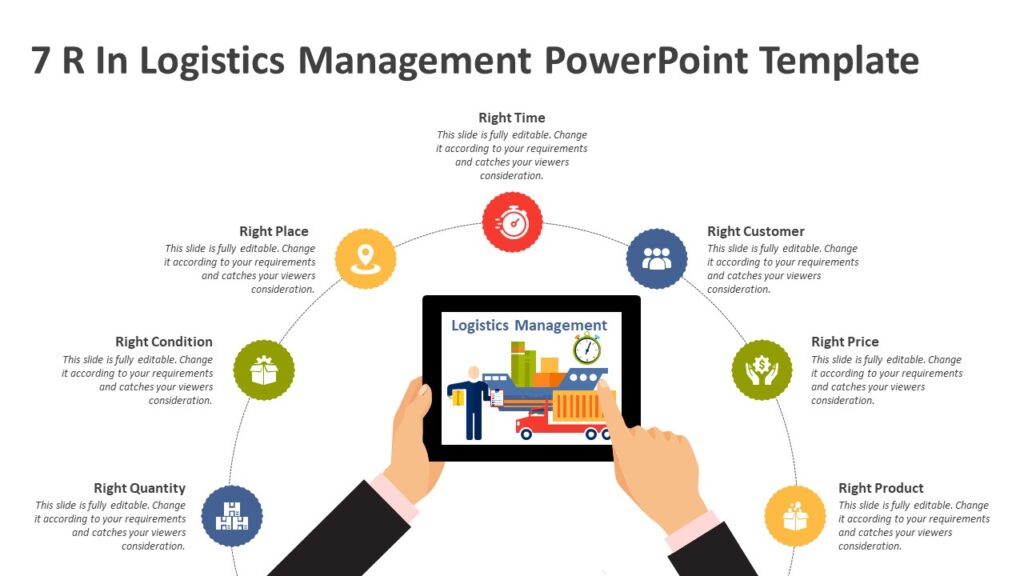
In simple terms, SCM ensures that the right product reaches the right customer at the right time and at the right cost.
Importance of Supply Chain Management
Effective supply chain management plays a crucial role in business success. Here’s why:
1. Cost Efficiency
Optimizing supply chain processes helps reduce operational costs, inventory holding costs, and transportation expenses.
2. Customer Satisfaction
Timely delivery, product availability, and quality assurance directly impact customer experience.
3. Competitive Advantage
Companies with efficient supply chains can respond faster to market changes and outperform competitors.
4. Risk Management
SCM helps identify potential risks such as supplier disruptions, demand fluctuations, or logistical delays.
5. Improved Collaboration
Strong coordination between suppliers, manufacturers, and distributors enhances overall efficiency.
Key Components of Supply Chain Management
A well-structured supply chain consists of several interconnected components:
1. Planning
Planning involves forecasting demand, aligning supply, and developing strategies to meet customer requirements.
Key Activities:
- Demand forecasting
- Capacity planning
- Inventory planning
- Resource allocation
2. Sourcing
This step focuses on selecting suppliers and managing procurement processes.
Key Activities:
- Supplier evaluation
- Contract negotiation
- Procurement management
- Vendor relationship management
3. Manufacturing
Manufacturing involves converting raw materials into finished products.
Key Activities:
- Production scheduling
- Quality control
- Equipment maintenance
- Process optimization
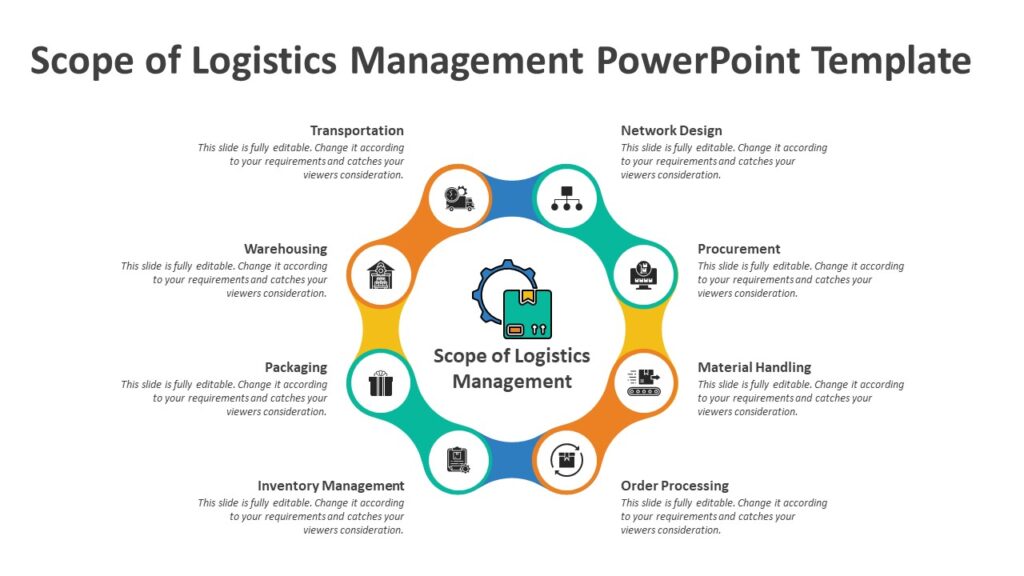
4. Logistics and Delivery
This includes warehousing, transportation, and distribution of products.
Key Activities:
- Inventory management
- Order fulfilment
- Transportation planning
- Delivery tracking
5. Returns (Reverse Logistics)
Handling returns, repairs, and recycling is a critical part of SCM.
Key Activities:
- Product returns
- Refund processing
- Recycling and disposal
- Customer service support
Types of Supply Chain Models
Different businesses adopt different supply chain models based on their industry and goals.
1. Continuous Flow Model
Best suited for companies with stable demand and standardized products.
2. Agile Supply Chain
Focused on flexibility and quick response to market changes.
3. Lean Supply Chain
Aims to minimize waste and maximize efficiency.
4. Hybrid Model
Combines elements of lean and agile approaches.
5. Custom-Configured Model
Used for businesses that require customization after receiving customer orders.
Supply Chain Process Flow
Understanding the flow of activities helps in optimizing operations.
Step-by-Step Flow:
- Customer places an order
- Demand is analyzed
- Inventory is checked
- Procurement of raw materials
- Production begins
- Quality checks are conducted
- Products are stored in warehouses
- Orders are processed and shipped
- Delivery to customers
- Feedback and returns handled
Key Strategies in Supply Chain Management
1. Demand Forecasting
Accurate forecasting helps prevent overstocking or stockouts.
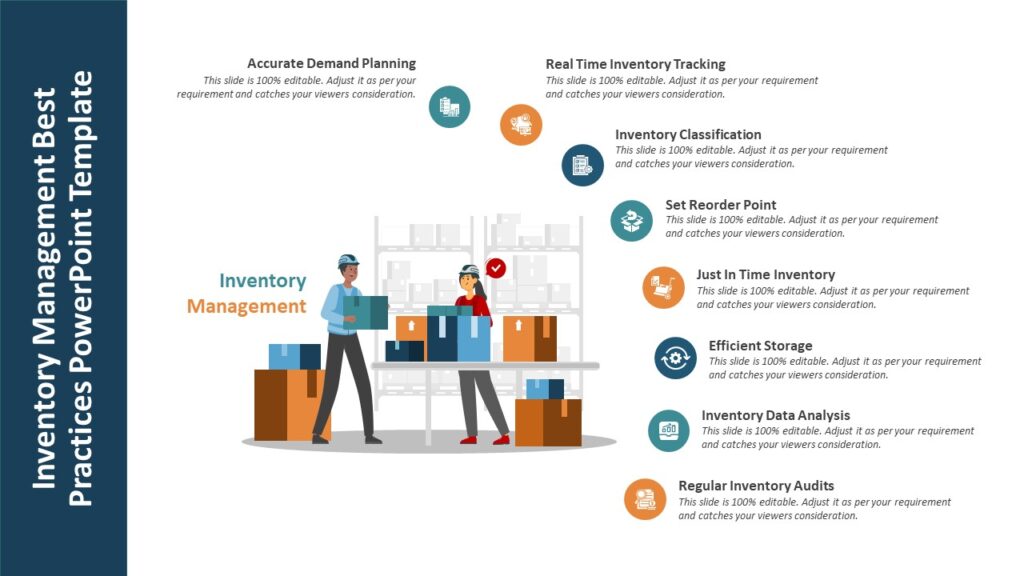
2. Inventory Optimization
Balancing inventory levels to reduce costs while meeting demand.
3. Supplier Relationship Management
Building strong partnerships with suppliers ensures reliability.
4. Digital Transformation
Using technology like AI, IoT, and automation to improve efficiency.
5. Risk Mitigation Planning
Developing contingency plans for disruptions.
6. Sustainability Practices
Adopting eco-friendly practices to reduce environmental impact.
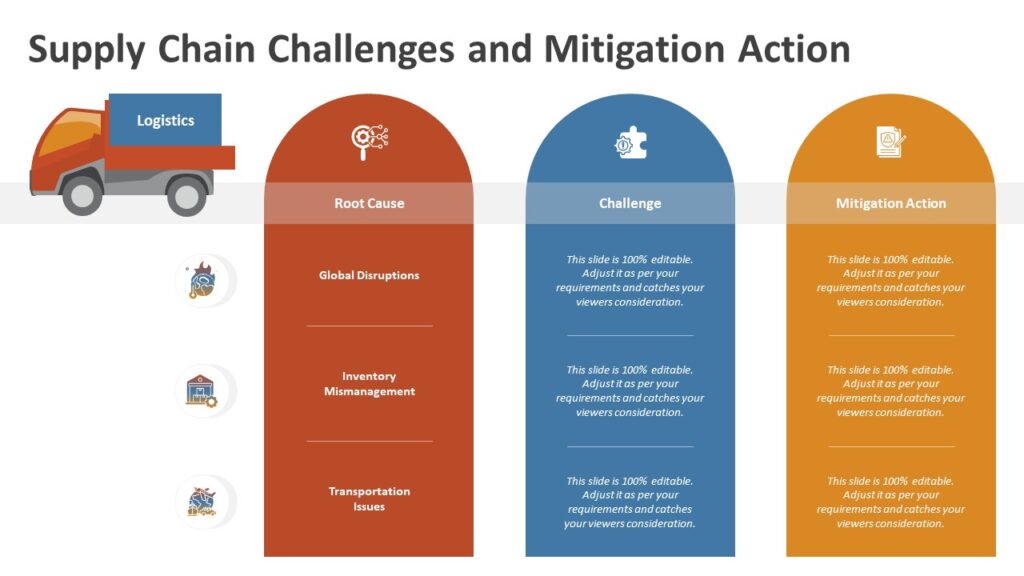
Challenges in Supply Chain Management
Despite its importance, SCM comes with several challenges:
1. Demand Uncertainty
Fluctuating customer demand can disrupt planning.
2. Supply Disruptions
Natural disasters, geopolitical issues, or supplier failures can impact operations.
3. Rising Costs
Transportation, labor, and raw material costs continue to increase.
4. Lack of Visibility
Limited real-time data can hinder decision-making.
5. Complex Global Networks
Managing international suppliers and logistics adds complexity.
6. Technology Integration Issues
Implementing new systems can be costly and time-consuming.
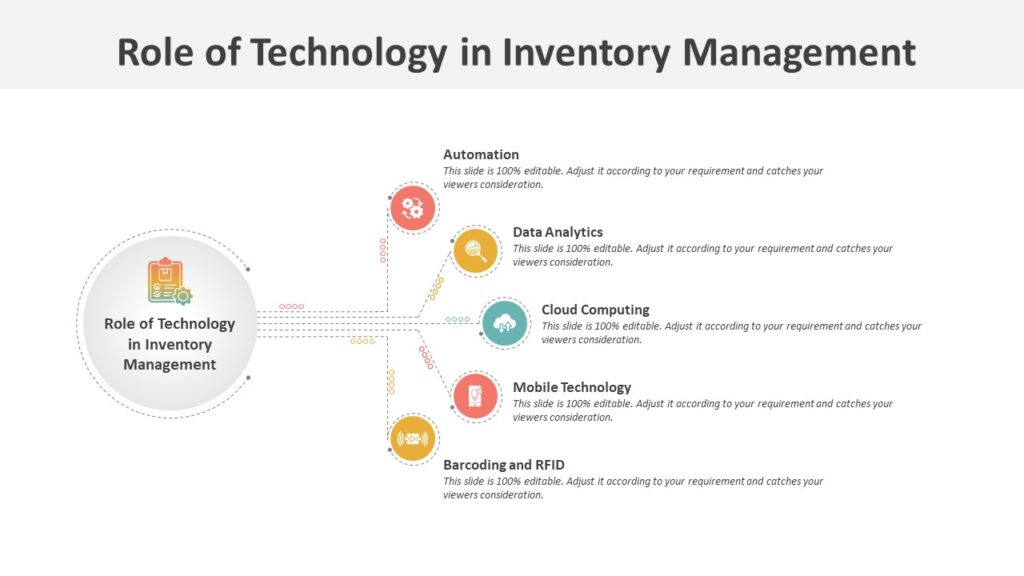
Role of Technology in Supply Chain Management
Technology has revolutionized supply chain operations.
Key Technologies:
1. Artificial Intelligence (AI)
- Predict demand patterns
- Optimize routes
- Automate decision-making
2. Internet of Things (IoT)
- Real-time tracking of goods
- Monitoring warehouse conditions
3. Blockchain
- Enhances transparency
- Improves security and traceability
4. Cloud Computing
- Enables data sharing across stakeholders
- Improves collaboration
5. Robotics and Automation
- Speeds up manufacturing and warehousing processes
Future Trends in Supply Chain Management
1. Digital Supply Chains
Fully integrated digital systems for real-time insights.
2. Sustainable Supply Chains
Focus on reducing carbon footprint and ethical sourcing.
3. Hyper-Automation
Increased use of AI and robotics.
4. Resilient Supply Chains
Building systems that can withstand disruptions.
5. Data-Driven Decision Making
Using analytics to optimize operations.
Benefits of Effective Supply Chain Management
- Reduced operational costs
- Improved customer service
- Faster delivery times
- Better inventory control
- Increased profitability
- Enhanced business agility
How to Implement Supply Chain Management Successfully
Step 1: Analyze Current Processes
Identify gaps and inefficiencies.
Step 2: Define Clear Goals
Set measurable objectives aligned with business strategy.
Step 3: Invest in Technology
Adopt tools that improve visibility and efficiency.
Step 4: Train Your Team
Ensure employees understand SCM processes.
Step 5: Build Strong Partnerships
Collaborate with reliable suppliers and logistics providers.
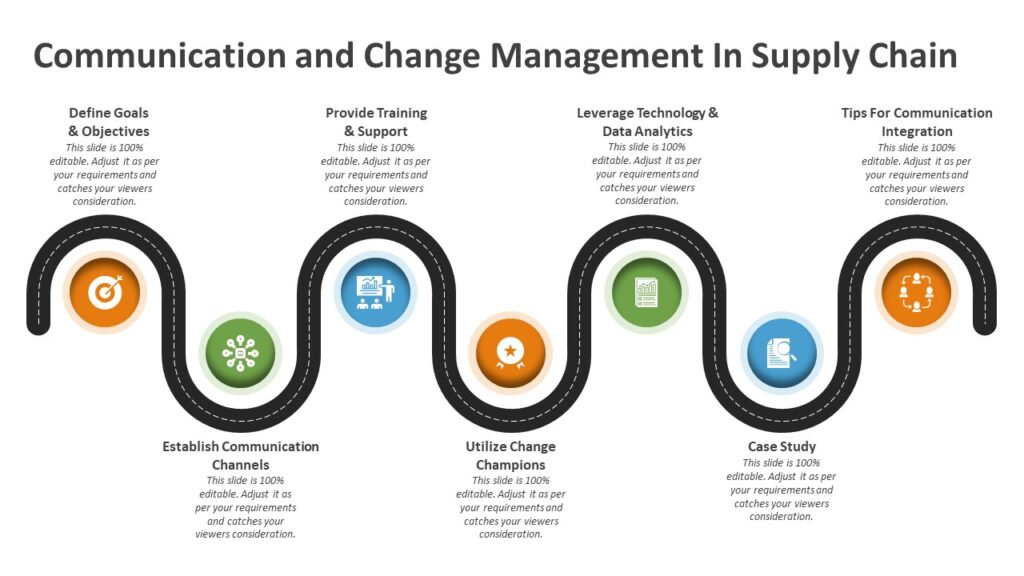
Step 6: Monitor and Improve
Continuously evaluate performance and make improvements.
Presenting Supply Chain Management Effectively
In today’s business environment, communicating supply chain strategies clearly is just as important as implementing them. Whether you’re presenting to stakeholders, clients, or internal teams, a well-designed presentation can make a significant impact.
Why Use PowerPoint for SCM Presentations?
- Simplifies complex processes
- Enhances visual communication
- Improves audience engagement
- Helps in structured storytelling
- Supports data visualization
If you’re looking to create a powerful and professional presentation on supply chain management, using ready-made PPT templates can save time and elevate your content quality.
Why Choose Supply Chain Management PowerPoint Templates?
Our Supply Chain Management PowerPoint Templates are designed specifically for professionals, educators, and business leaders who want to present SCM concepts clearly and effectively.
Template 01:
Template 02:
Template 03:
Template 04:
Template 05:
Template 06:
Template 07:
Template 08:
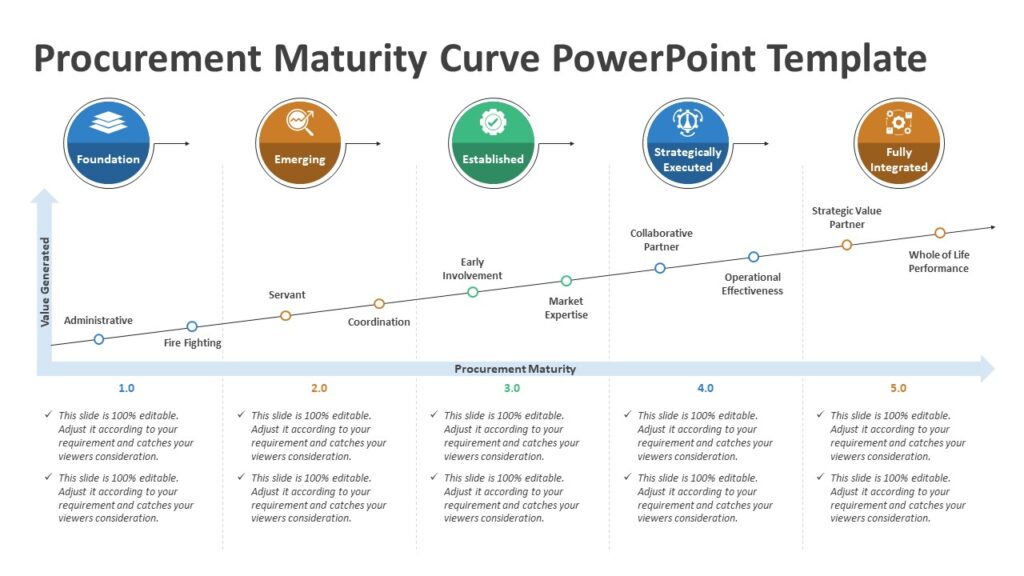
Template 09:
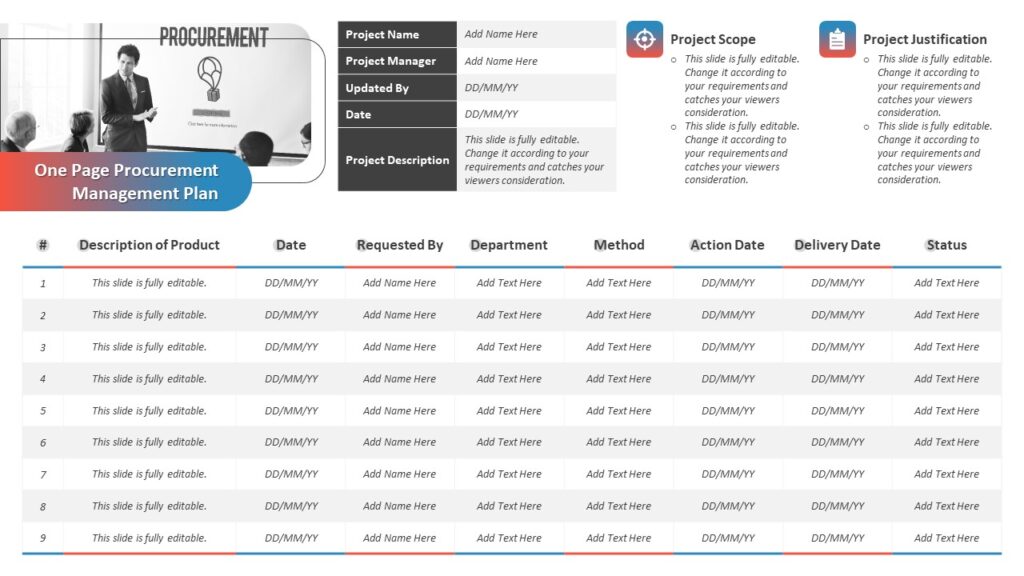
Template 10:
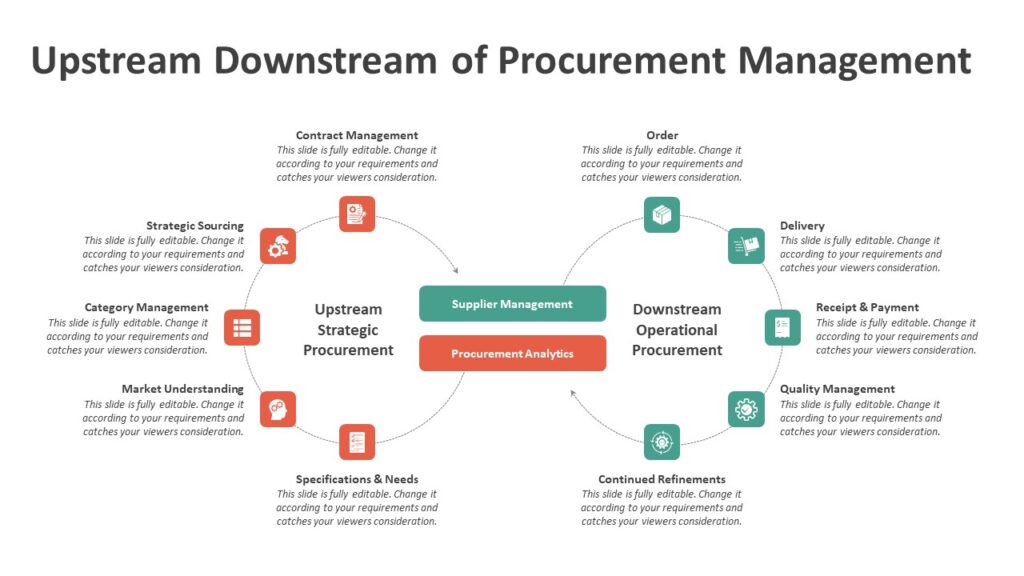
Template 11:
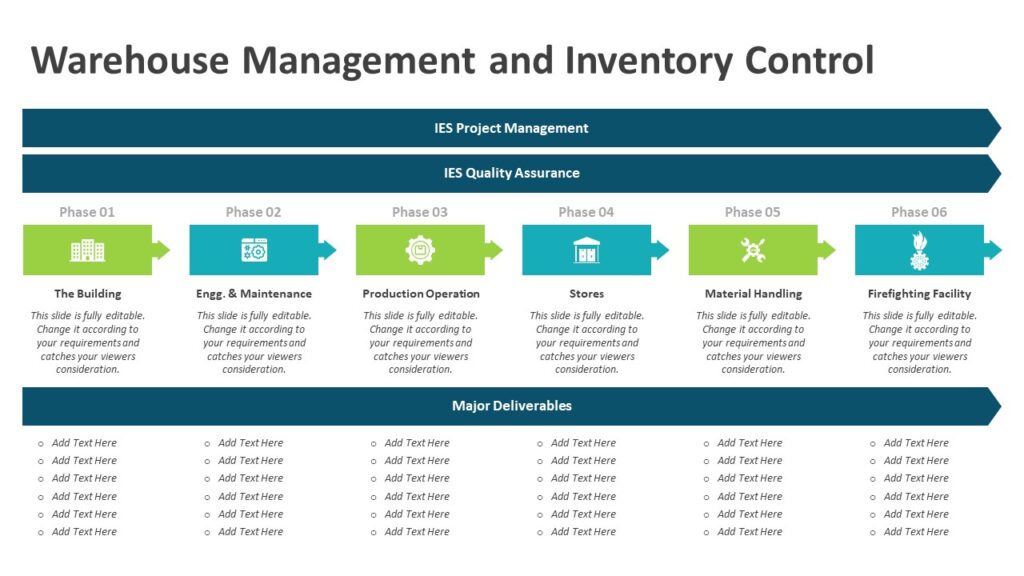
Template 12:
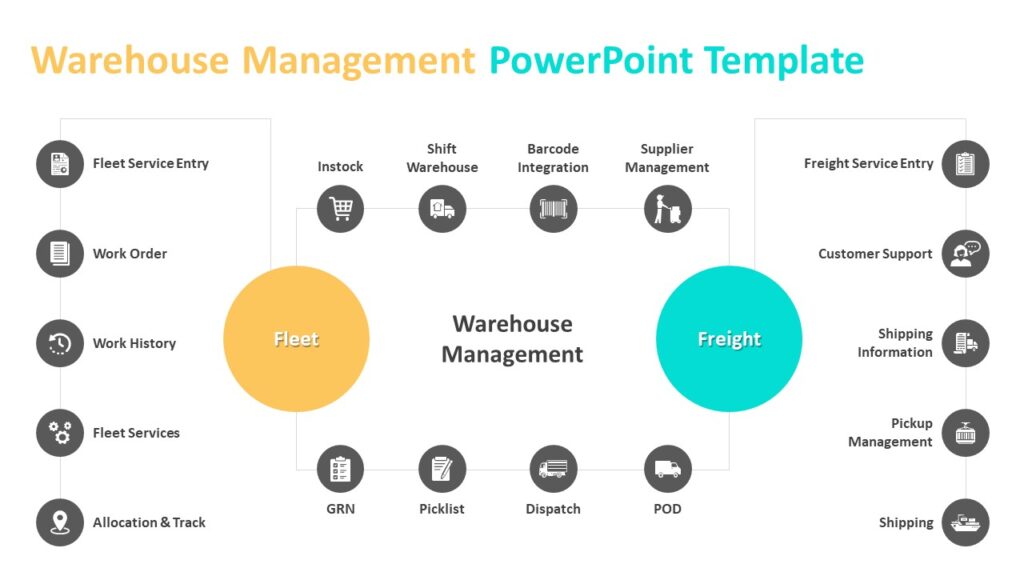
Template 13:
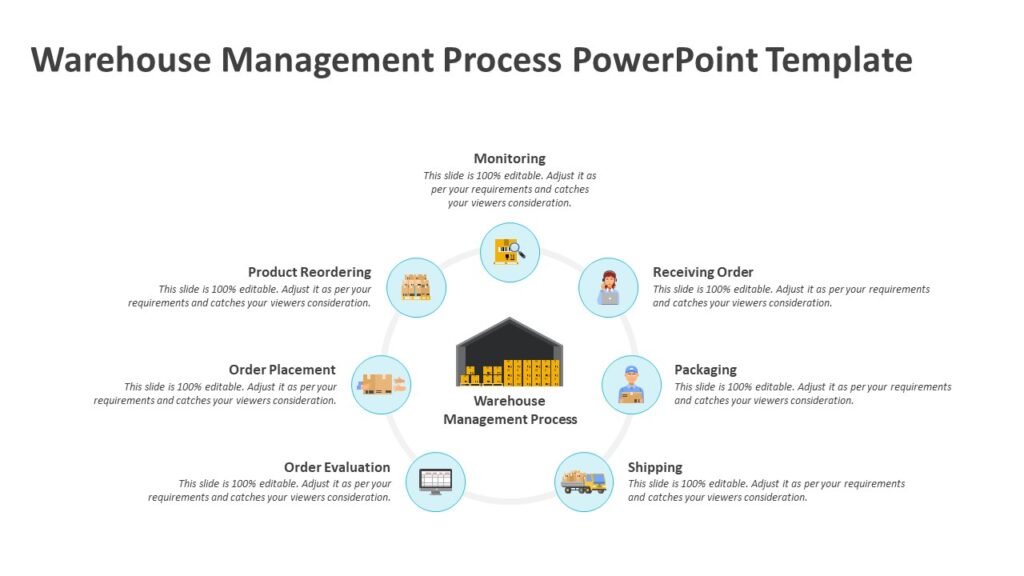
Template 14:
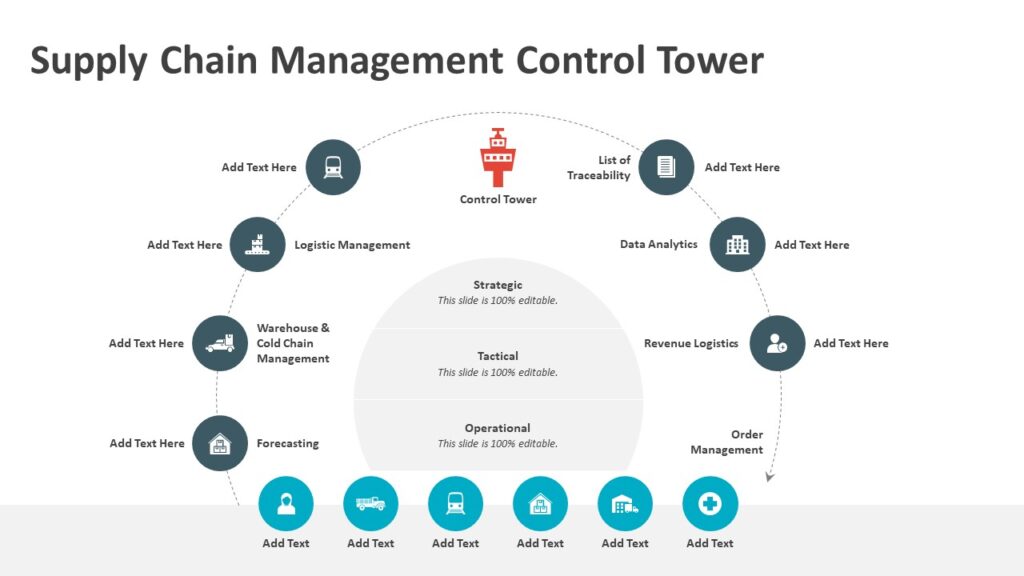
Template 15:
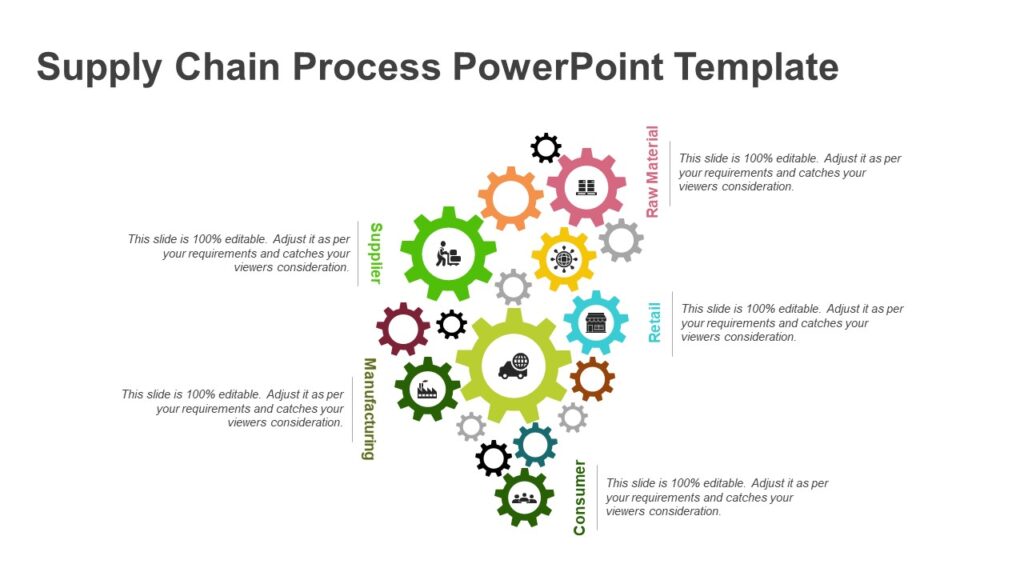
Key Features:
- Fully customizable slides
- Modern and professional design layouts
- Pre-designed diagrams for supply chain flow
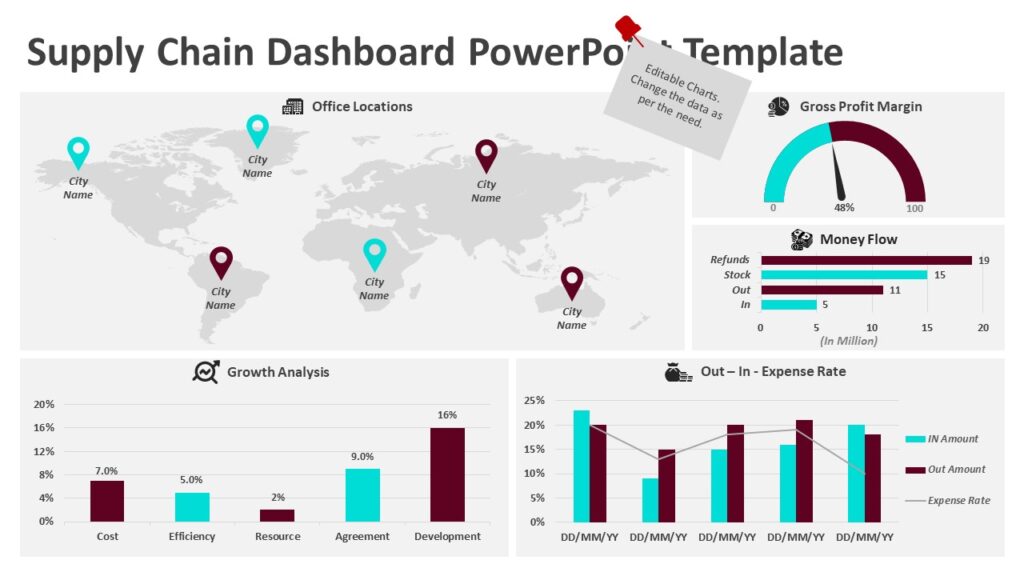
- Data-driven charts and graphs
- Editable icons and infographics
- Structured slides for planning, sourcing, logistics, and analytics
Who Can Use These Templates?
- Business professionals
- Supply chain managers
- Consultants
- Students and educators
- Startups and enterprises
How These Templates Help You:
- Save hours of design time
- Present complex data visually
- Maintain consistency and professionalism
- Improve audience understanding
- Deliver impactful presentations
Use Case Examples:
- Business strategy meetings
- Academic presentations
- Client proposals
- Training sessions
- Corporate reports
FAQs on Supply Chain Management
What is supply chain management in simple terms?
Supply chain management is the process of managing the flow of goods from raw materials to final delivery to customers.
Why is SCM important for businesses?
It improves efficiency, reduces costs, and enhances customer satisfaction.
What are the main components of SCM?
Planning, sourcing, manufacturing, logistics, and returns.
What are the biggest challenges in SCM?
Demand uncertainty, supply disruptions, rising costs, and lack of visibility.
How can technology improve SCM?
Technology enhances real-time tracking, forecasting, automation, and decision-making.
Conclusion
Supply Chain Management is a critical function that drives business success in today’s competitive landscape. From improving operational efficiency to enhancing customer satisfaction, SCM plays a vital role in every organization.
As businesses continue to evolve, adopting modern technologies and strategies will be essential for building resilient and efficient supply chains. Equally important is the ability to communicate these strategies effectively, this is where professionally designed PowerPoint templates can make a difference.
Whether you’re managing a supply chain or presenting one, investing in the right tools and knowledge will help you stay ahead in the game.