
In today’s competitive business environment, organizations no longer compete only through products, pricing, or technology – they compete through people. The ability to attract, develop, engage, and retain skilled employees has become one of the strongest differentiators in business success. This is where Talent Management plays a critical role.
From startups to multinational enterprises, companies that invest in structured talent management strategies consistently outperform competitors in productivity, innovation, employee engagement, and long-term growth. Whether you’re an HR leader, business owner, team manager, consultant, or corporate trainer, understanding talent management is essential for building future-ready organizations.
This comprehensive guide explores everything you need to know about talent management – its meaning, objectives, process, benefits, strategies, challenges, future trends, and practical implementation methods.
What is Talent Management?
Talent Management is a strategic business process focused on identifying, attracting, developing, motivating, and retaining employees who contribute significantly to organizational success.
It involves aligning workforce capabilities with business objectives to ensure the right people are in the right roles at the right time.
Talent management goes beyond traditional HR activities like hiring and payroll. It creates a long-term framework for employee growth, leadership development, succession planning, performance optimization, and organizational capability building.
In simple words:
Talent management is about managing people as strategic assets rather than operational resources.
Why Talent Management Matters
Modern organizations operate in an environment of constant change – digital transformation, automation, globalization, and changing employee expectations. Businesses need adaptable, skilled, and motivated employees to stay competitive.
Talent management helps organizations:
- Build stronger leadership pipelines
- Reduce employee turnover
- Improve workforce productivity
- Increase employee engagement
- Enhance organizational agility
- Drive innovation and collaboration
- Improve employer branding
Organizations that ignore talent development often face:
- High recruitment costs
- Leadership gaps
- Skill shortages
- Low employee morale
- Reduced operational efficiency
This makes talent management not just an HR function – but a business growth strategy.
Core Objectives of Talent Management
A successful talent management strategy aims to achieve multiple business and workforce goals.
1. Attract Top Talent
Hiring skilled professionals who align with company culture and business objectives.
2. Develop Employee Capabilities
Building technical, behavioral, and leadership competencies.
3. Improve Employee Engagement
Creating an environment where employees feel valued, motivated, and committed.
4. Retain High Performers
Reducing voluntary turnover by offering growth opportunities and recognition.
5. Build Future Leaders
Preparing employees for critical leadership roles.
6. Align Workforce with Strategy
Ensuring employee performance directly supports business goals.
Key Components of Talent Management
A comprehensive talent management framework includes several interconnected elements.
1. Workforce Planning
Workforce planning helps organizations forecast talent requirements based on future business goals.
This includes:
- Identifying skill gaps
- Predicting future hiring needs
- Analyzing workforce trends
- Resource allocation planning
Example:
A technology company planning AI expansion may forecast the need for data scientists, machine learning engineers, and AI product managers.
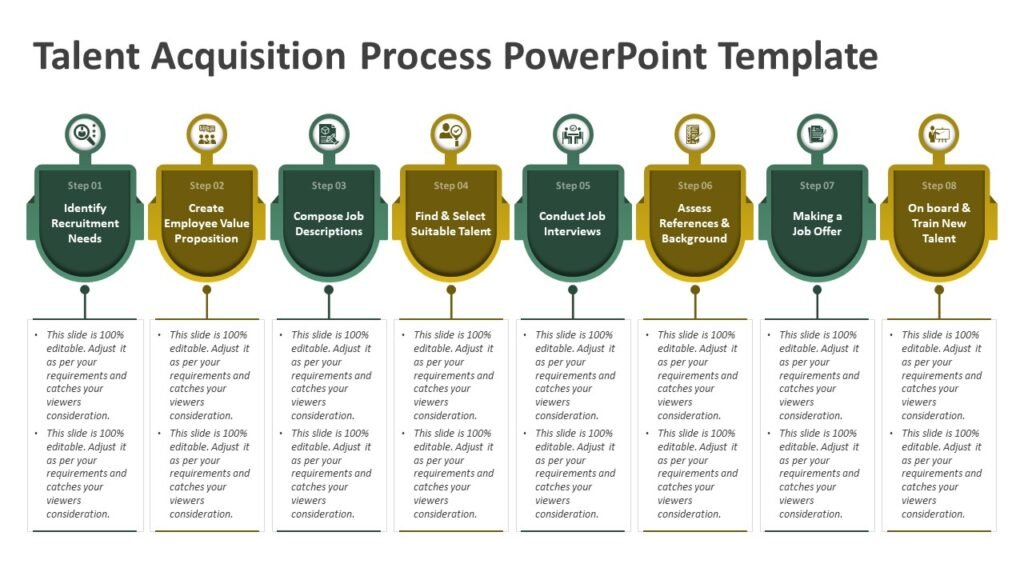
2. Talent Acquisition
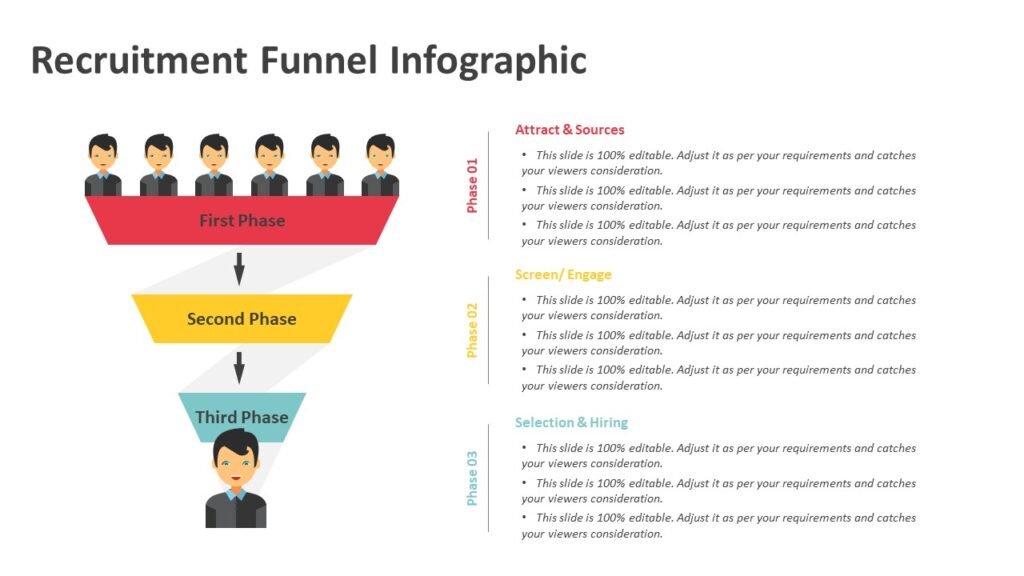
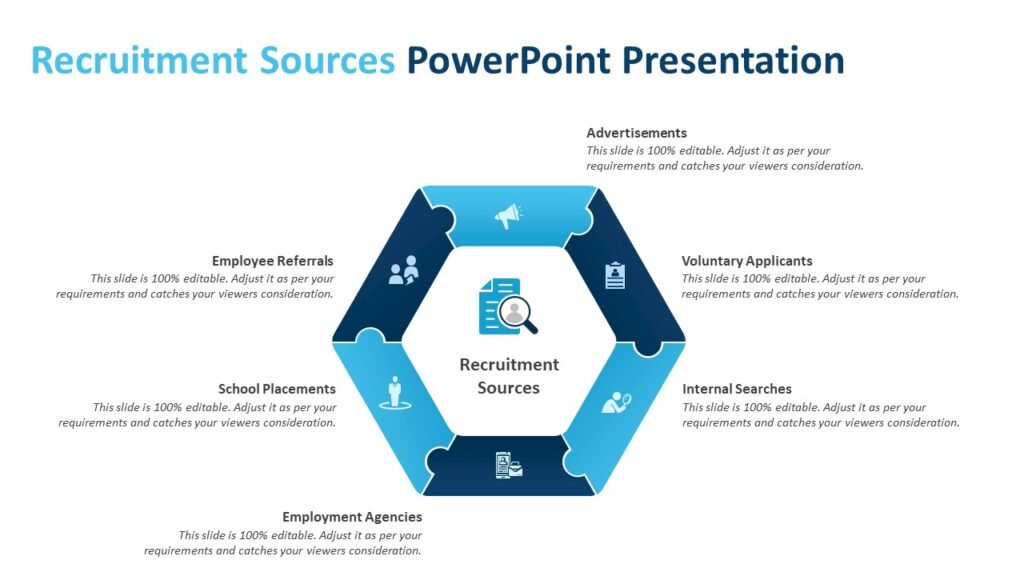
Talent acquisition focuses on attracting and hiring the right candidates.
It includes:
- Employer branding
- Recruitment marketing
- Candidate sourcing
- Screening and interviews
- Onboarding
Modern recruitment emphasizes both technical skills and cultural fit.
Best Practices:
- Use data-driven hiring
- Create compelling job descriptions
- Optimize candidate experience
- Leverage social recruiting
3. Employee Onboarding
Effective onboarding improves employee productivity and retention.
A structured onboarding process includes:
- Role clarification
- Company culture orientation
- Team introductions
- Systems training
- Performance expectations
Employees who experience positive onboarding adapt faster and perform better.
4. Learning and Development
Continuous learning is central to talent growth.
Organizations invest in:
- Leadership training
- Technical skill development
- Communication workshops
- Coaching programs
- E-learning platforms
Learning initiatives help employees stay relevant in evolving industries.
5. Performance Management
Performance management ensures employees remain aligned with organizational goals.
It includes:
- Goal setting
- Performance reviews
- Feedback sessions
- Recognition systems
- Development planning
Modern companies are moving from annual reviews to continuous feedback systems.
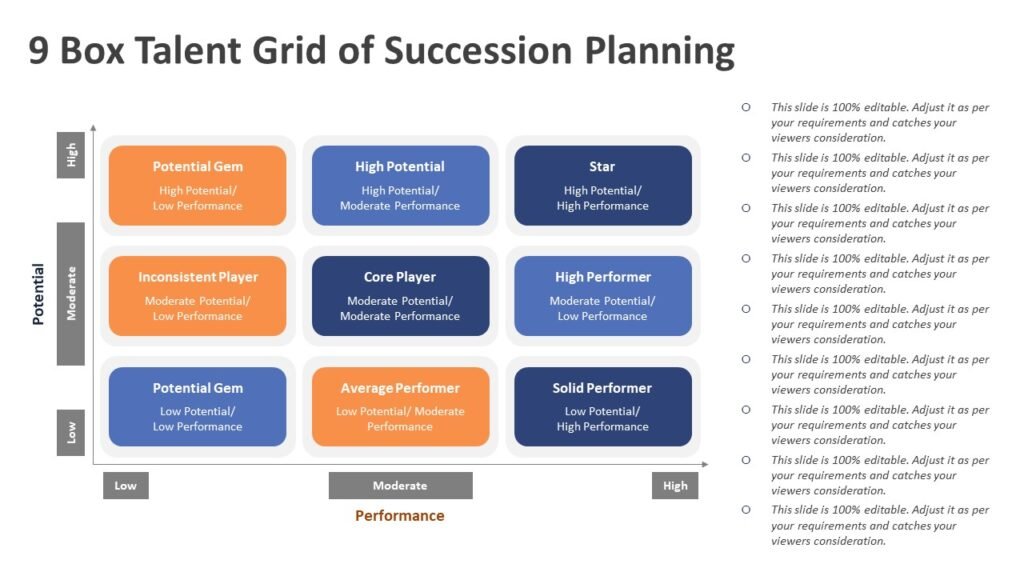
6. Succession Planning
Succession planning identifies future leaders for critical business roles.
It ensures business continuity by preparing employees for leadership transitions.
Benefits include:
- Reduced operational disruption
- Faster leadership transitions
- Improved employee motivation
7. Employee Engagement
Engaged employees contribute more effectively.
Engagement strategies include:
- Recognition programs
- Career growth opportunities
- Flexible work arrangements
- Open communication
- Wellness initiatives
8. Retention Management
Retention strategies reduce turnover and protect institutional knowledge.
Common retention practices:
- Competitive compensation
- Internal mobility
- Career progression
- Mentorship programs
- Positive workplace culture
Talent Management Process
A structured talent management process typically follows these stages:
Step 1: Identify Business Goals
Understand organizational objectives.
Examples:
- Expansion into new markets
- Digital transformation
- Product innovation
Step 2: Assess Current Talent
Evaluate existing workforce capabilities.
Methods include:
- Skill assessments
- Performance reviews
- Competency mapping
Step 3: Identify Talent Gaps
Determine missing skills, leadership gaps, or workforce shortages.
Step 4: Build Development Plans
Create personalized employee growth paths.
Examples:
- Leadership training
- Technical certification
- Cross-functional projects
Step 5: Monitor Performance
Track employee progress through KPIs and feedback.
Step 6: Optimize Continuously
Adjust talent strategies based on business changes.
Talent Management Models
Organizations adopt different models depending on their goals.
Traditional Model
Focuses on HR processes like recruitment, training, and appraisal.
Strengths:
- Structured
- Easy to implement
Limitations:
- Limited strategic alignment
Integrated Talent Management Model
Connects all HR functions into one strategic framework.
Benefits:
- Better workforce alignment
- Stronger employee development
Competency-Based Model
Focuses on skills, behaviors, and capabilities.
Useful for:
- Leadership development
- Skill-based organizations
Benefits of Talent Management
Organizations that implement talent management effectively experience measurable benefits.
1. Improved Productivity
Employees with proper training and support perform better.
2. Higher Employee Engagement
Employees feel invested in.
3. Reduced Recruitment Costs
Retention lowers replacement expenses.
4. Better Leadership Pipeline
Future leaders are developed internally.
5. Stronger Employer Brand
Top candidates prefer companies known for employee development.
6. Increased Innovation
Engaged teams generate better ideas.
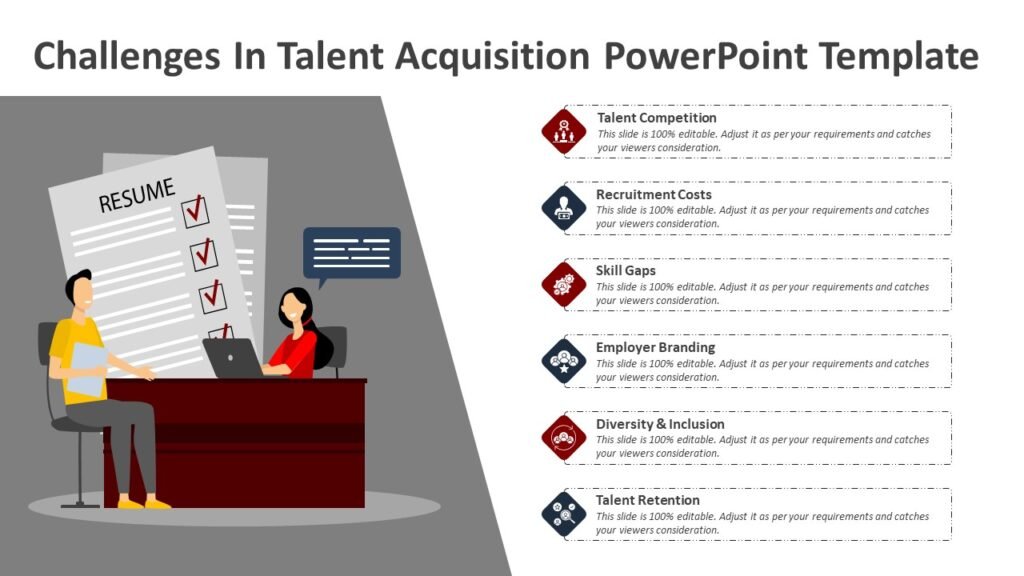
Common Talent Management Challenges
Even well-established organizations face challenges.
Skill Gaps
Rapid technological changes create skill shortages.
Solution:
Continuous learning initiatives.
Employee Turnover
High performers may leave for better opportunities.
Solution:
Career growth pathways.
Leadership Shortages
Organizations may lack successors.
Solution:
Succession planning.
Resistance to Change
Employees may resist new systems.
Solution:
Clear communication and training.
Measuring ROI
Talent initiatives can be difficult to quantify.
Solution:
Use talent analytics.
Talent Management Metrics
Measuring talent management effectiveness is essential.
Important KPIs include:
| Metric | Purpose |
|---|---|
| Employee Turnover Rate | Measures retention |
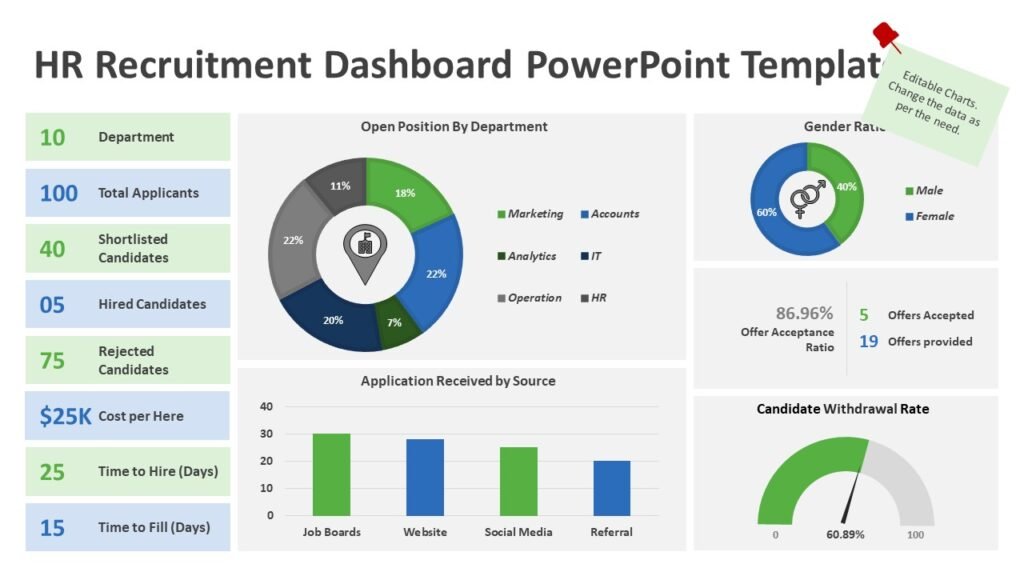
| Time to Hire | Measures recruitment efficiency |
| Internal Promotion Rate | Measures development success |
| Training Completion Rate | Measures learning engagement |
| Employee Satisfaction Score | Measures engagement |
| Leadership Readiness Index | Measures succession strength |
Technology in Talent Management
Digital tools are transforming talent management.
Popular technologies include:
- HR analytics platforms
- AI recruiting tools
- Learning management systems
- Employee engagement software
- Performance management systems
Technology helps HR leaders make smarter, data-driven decisions.
Future Trends in Talent Management
The future of talent management is evolving rapidly.
AI-Powered Recruitment
AI improves candidate screening and job matching.
Skills-Based Hiring
Companies increasingly hire based on skills rather than degrees.
Remote Workforce Management
Hybrid work models require new talent strategies.
Personalized Learning
Employees want customized career development.
Employee Experience Focus
Organizations prioritize workplace culture and well-being.
Best Practices for Successful Talent Management
To build an effective strategy, organizations should:
Align Talent Strategy with Business Goals
HR initiatives must support organizational objectives.
Invest in Leadership Development
Future leaders should be developed early.
Build a Learning Culture
Encourage continuous growth.
Use Data Analytics
Measure workforce trends and talent gaps.
Prioritize Employee Experience
Happy employees stay longer and perform better.
Industry Applications of Talent Management
Talent management is valuable across industries.
Healthcare
Managing clinical leadership and workforce shortages.
IT and Technology
Developing digital skills.
Manufacturing
Building operational leadership.
Education
Supporting faculty and administrative talent.
Consulting
Managing high-performance professionals.
How to Implement Talent Management in Your Organization
Follow this practical roadmap:
Phase 1: Assessment
- Analyze workforce data
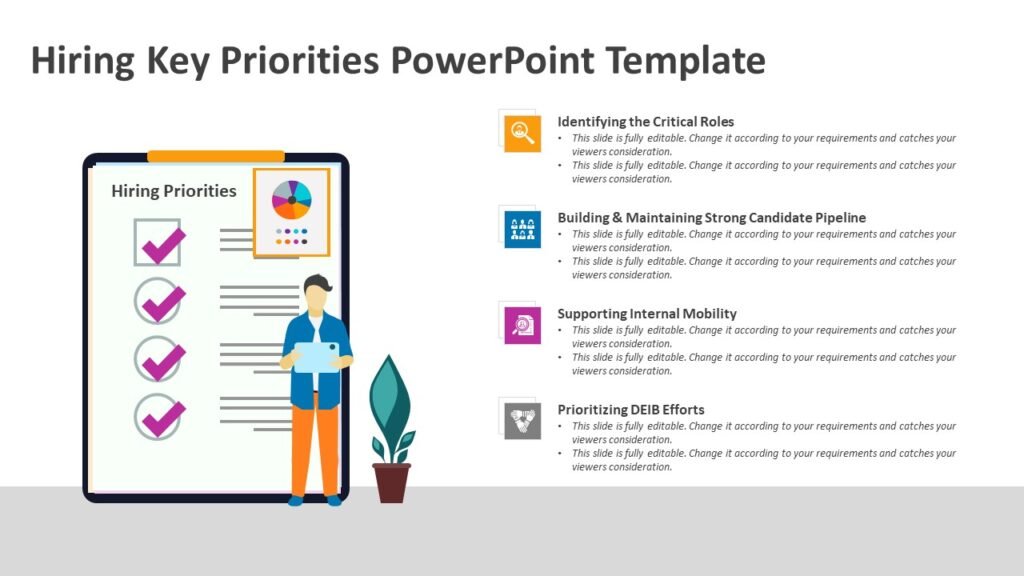
- Identify critical roles
- Map skill gaps
Phase 2: Strategy Design
- Define talent goals
- Build competency frameworks
- Design development plans
Phase 3: Execution
- Launch recruitment programs
- Start learning initiatives
- Implement performance systems
Phase 4: Optimization
- Review KPIs
- Gather employee feedback
- Improve continuously
Talent Management Presentation Solutions for HR Teams
If you’re an HR professional, consultant, trainer, business leader, or corporate presenter, communicating talent strategies effectively is just as important as building them.
This is where Talent Management PowerPoint Templates become valuable.
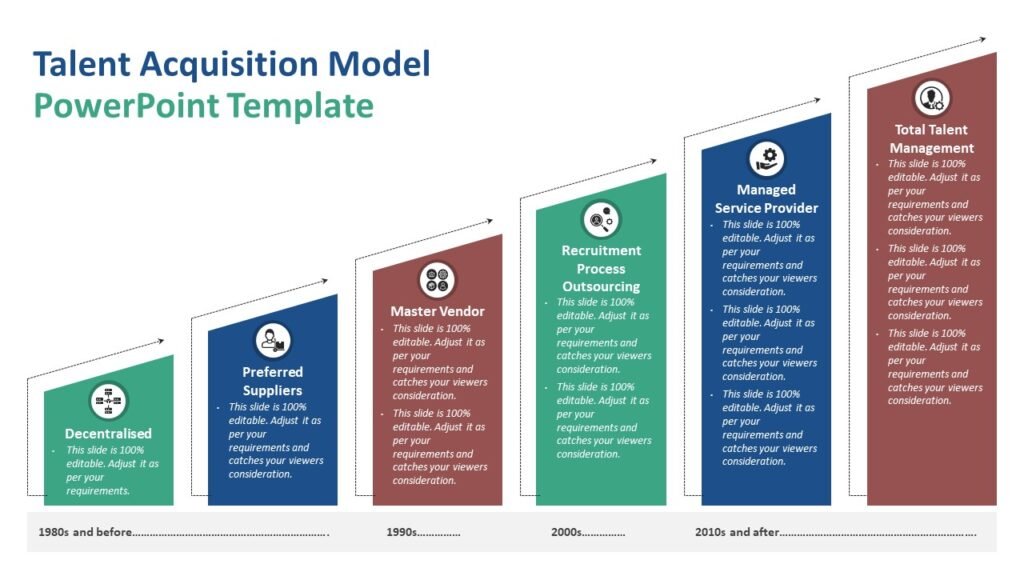
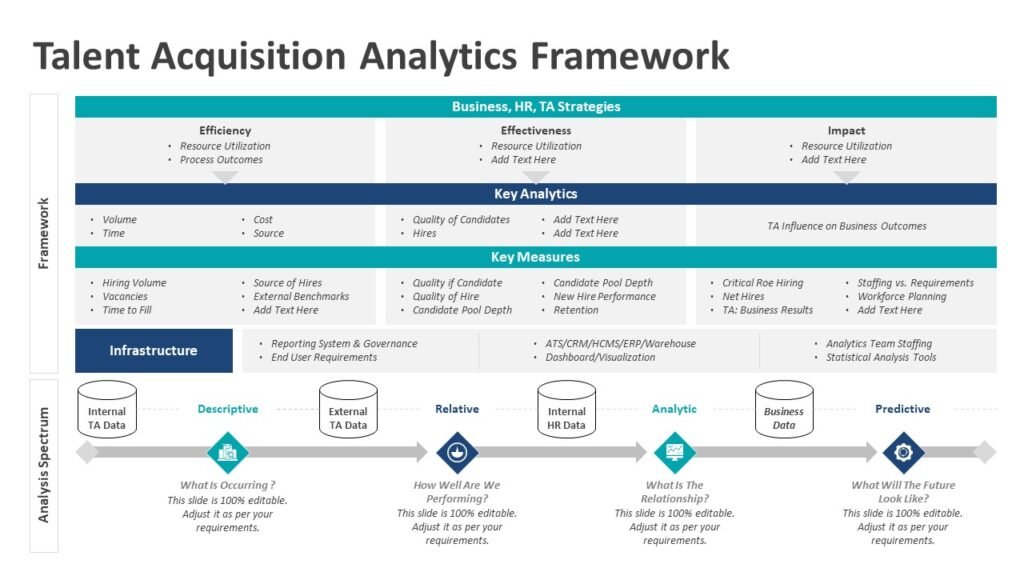
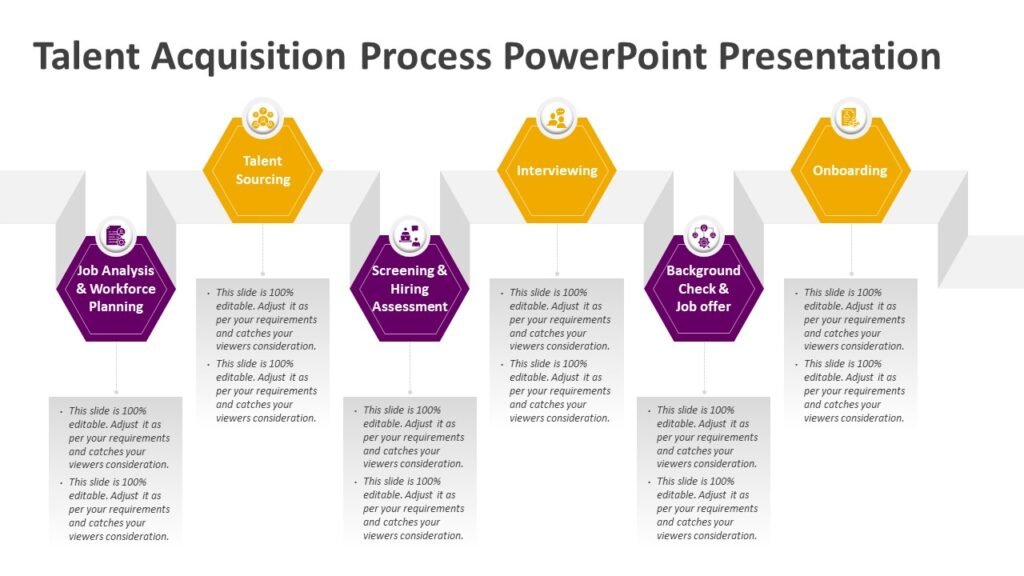
Professionally designed talent acquisition presentation templates help you present complex workforce strategies in a clear, visual, and executive-friendly format.
Whether you’re presenting to executives, conducting HR workshops, training managers, or consulting with clients, customizable talent management presentation slides help you save time while delivering impactful business presentations.
A professional talent management presentation can transform data into strategic decision-making.
Template 01:
Template 02:
Template 03:
Template 04:
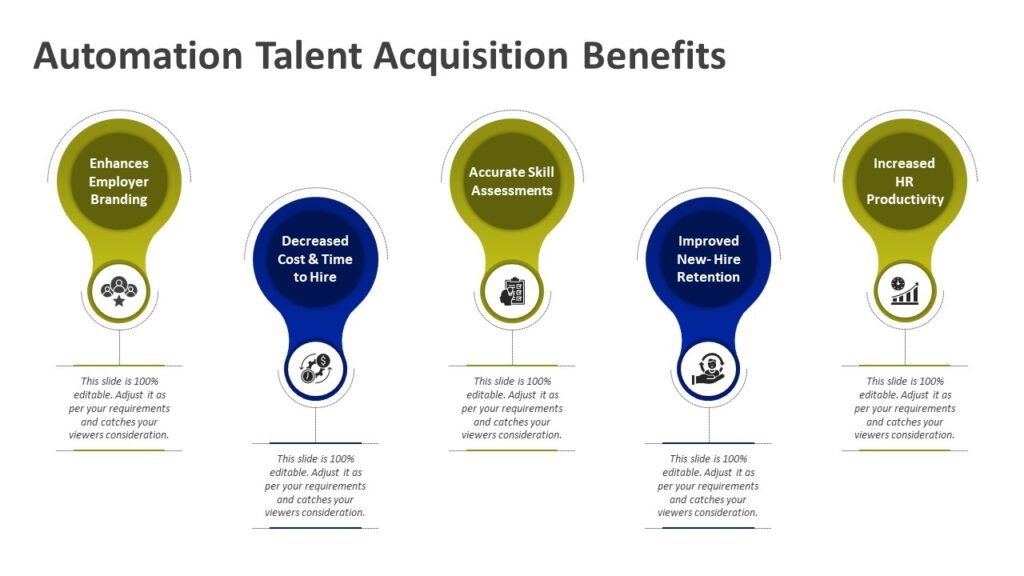
Template 05:
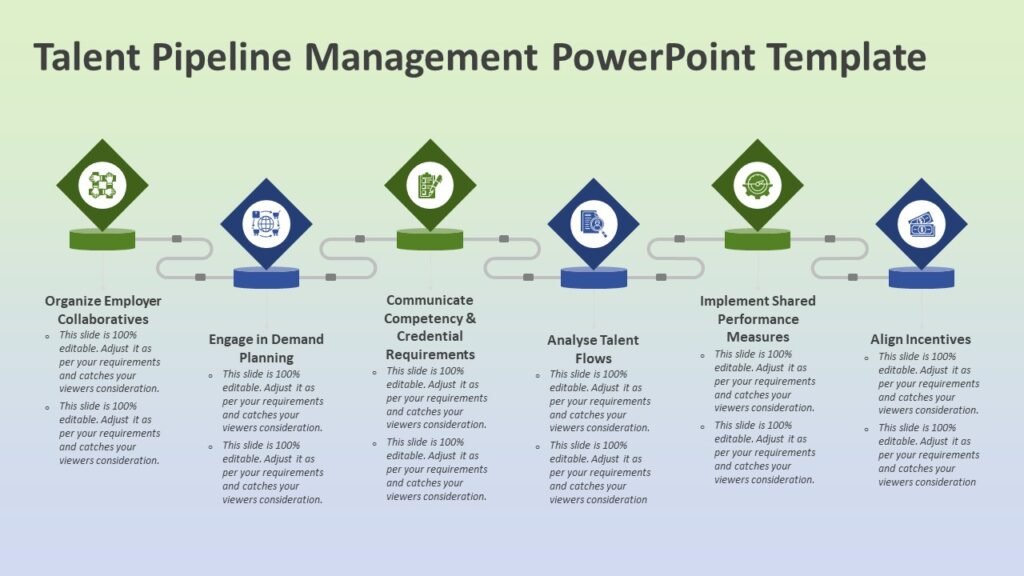
Template 06:
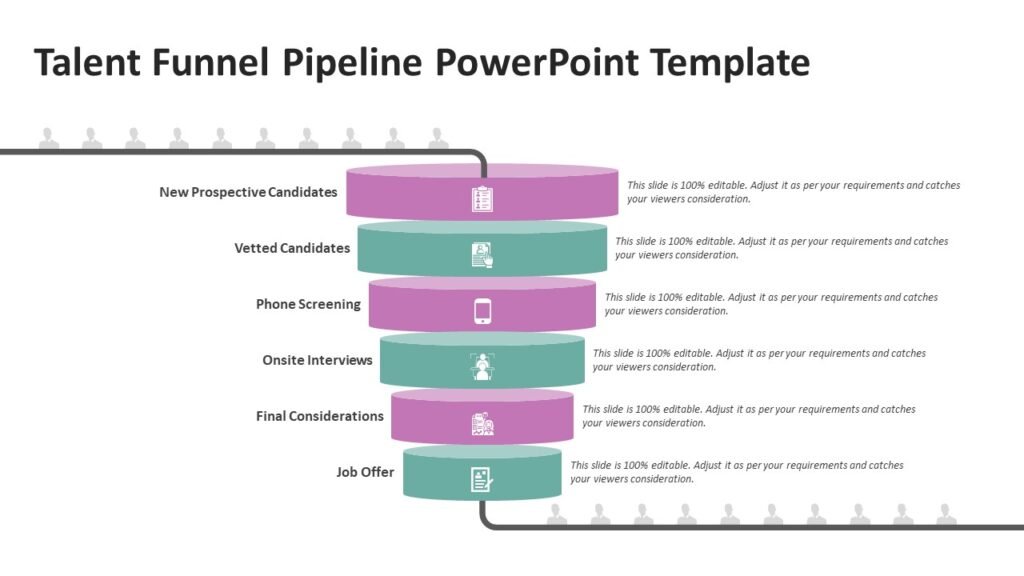
Template 07:
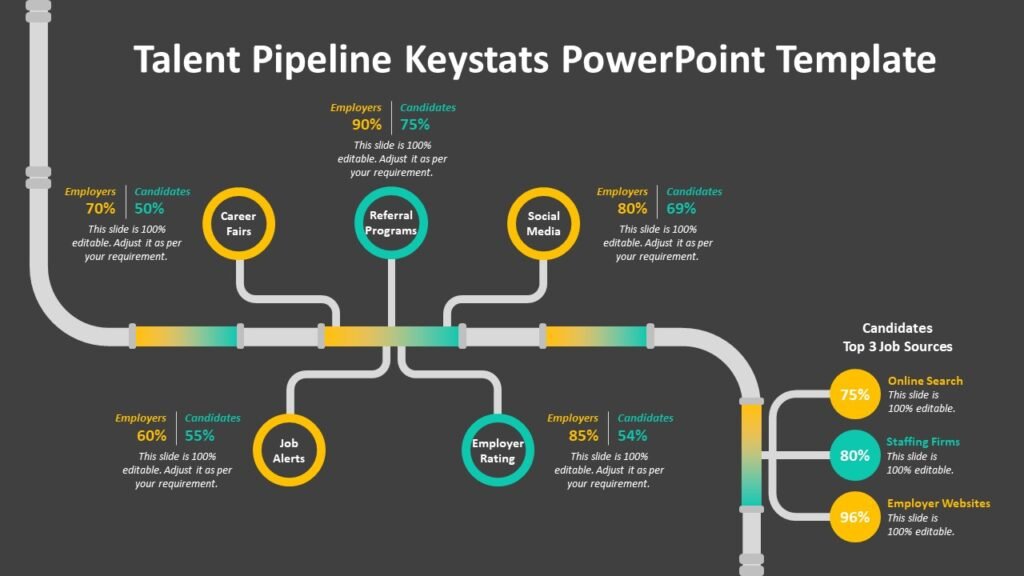
Template 08:
Template 09:
Template 10:
Template 11:
Template 12:
Template 13:
Template 14:
Template 15:
Template 16:
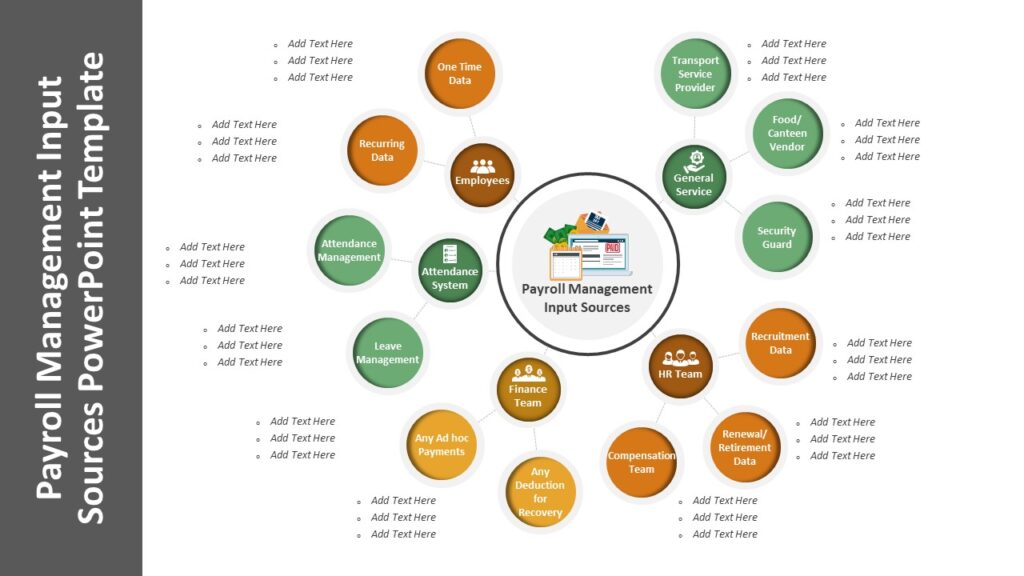
Template 17:
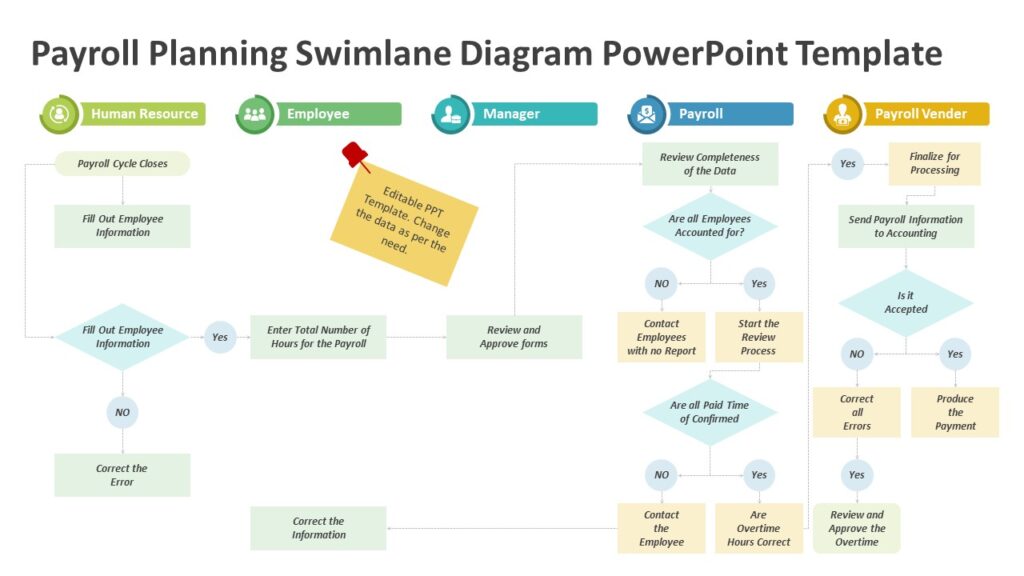
Template 18:
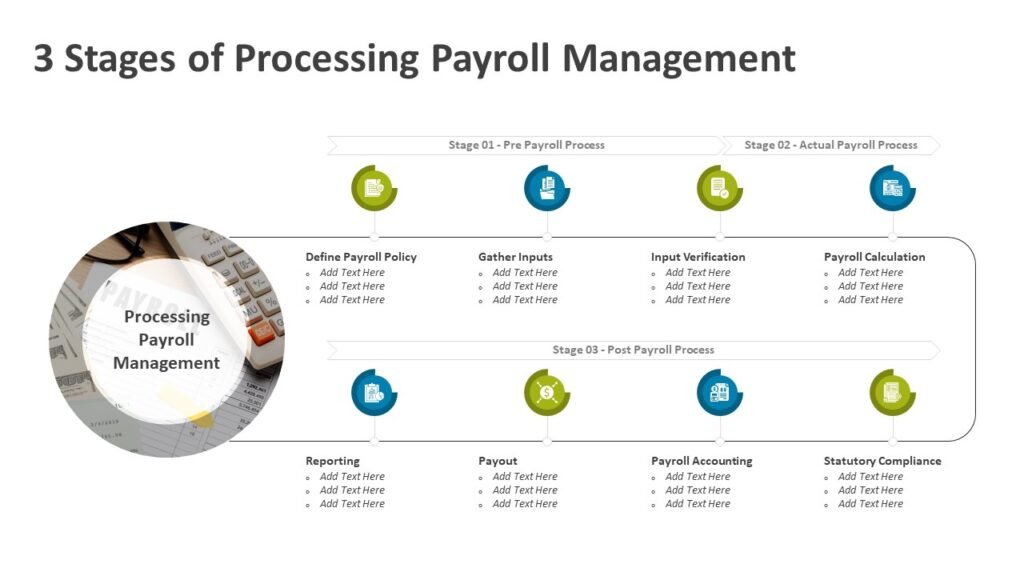
Template 19:
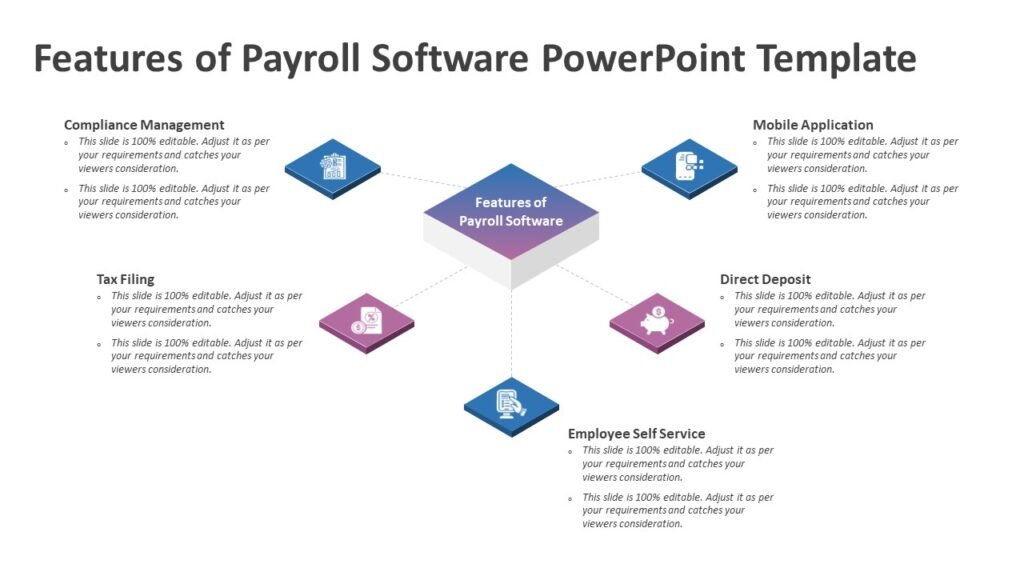
Template 20:
Frequently Asked Questions (FAQs)
What is the main purpose of talent management?
The main purpose is to attract, develop, engage, and retain employees who contribute to business success.
Who is responsible for talent management?
HR leaders, department managers, executives, and business leaders all share responsibility.
Is talent management only for large companies?
No. Small businesses also benefit from structured talent strategies.
What is the difference between HR and talent management?
HR manages operational employee functions, while talent management focuses on strategic workforce growth.
How does talent management improve retention?
By offering development opportunities, recognition, career growth, and better employee experiences.
Conclusion
Talent management is no longer optional – it is essential for sustainable business growth. Organizations that invest in their people create stronger leadership, better innovation, improved productivity, and long-term competitive advantage.
From recruitment and development to succession planning and retention, talent management creates a framework for building high-performing teams that drive business success.
As workforce expectations continue evolving, organizations that prioritize talent will lead the future.