

Introduction
Investment is one of the most powerful tools for building wealth, growing businesses, and achieving long-term financial stability. Whether you are an entrepreneur seeking business expansion, a startup founder looking for funding, or an individual planning for financial freedom, understanding investment strategies can help you make informed decisions with confidence.
In today’s rapidly changing economic environment, investment opportunities are more diverse than ever. From stocks and real estate to startups, mutual funds, digital assets, and corporate ventures, businesses and individuals now have access to a wide range of investment channels. However, successful investing requires more than just capital. It demands planning, research, risk management, and strategic execution.
This comprehensive guide explores the fundamentals of investment, different investment types, risk assessment, investment planning, portfolio diversification, and emerging trends shaping the future of investing. Whether you are a beginner or an experienced investor, this blog will help you understand how investments work and how to maximize returns while minimizing risks.
What Is Investment?
Investment refers to the process of allocating money, time, or resources into an asset, business, or project with the expectation of generating future returns or profits. The main objective of investment is wealth creation over time.
Investments can generate returns through:
- Capital appreciation
- Interest earnings
- Dividend income
- Rental income
- Business profits
- Asset value growth
In simple terms, investment means putting your money to work so it can grow in the future.
Why Investment Matters
Investment plays a critical role in both personal finance and business growth. It helps individuals achieve financial goals while enabling organizations to expand operations and improve profitability.
Benefits of Investment
1. Wealth Creation
Investments help individuals build long-term wealth through compound growth and asset appreciation.
2. Financial Security
Proper investment planning creates financial stability and helps prepare for emergencies and retirement.
3. Business Expansion
Companies use investments to fund innovation, market expansion, product development, and operational growth.
4. Inflation Protection
Investments help protect purchasing power by generating returns higher than inflation rates.
5. Passive Income
Certain investments such as dividend stocks, bonds, and real estate provide regular income streams.
6. Economic Growth
Investments stimulate economic activity by supporting businesses, creating jobs, and driving innovation.
Types of Investments
There are several investment categories available for individuals and businesses. Each investment type has unique risks, returns, and growth potential.
1. Stock Market Investments
Stocks represent ownership in a company. Investors buy shares to benefit from company growth and profits.
Advantages
- High long-term growth potential
- Dividend income opportunities
- Easy market access
Risks
- Market volatility
- Economic uncertainty
- Company performance risks
Best For
Long-term investors seeking capital growth.
2. Mutual Funds
Mutual funds pool money from multiple investors to invest in diversified assets managed by professionals.
Advantages
- Diversification
- Professional management
- Lower investment barriers
Risks
- Management fees
- Market fluctuations
Best For
Beginners and passive investors.
3. Real Estate Investment
Real estate includes residential, commercial, or industrial property investments.
Advantages
- Tangible assets
- Rental income
- Long-term appreciation
Risks
- High capital requirements
- Maintenance costs
- Market downturns
Best For
Investors seeking stable long-term returns.
4. Business Investments
Business investments involve funding startups, partnerships, franchises, or expanding existing companies.
Advantages
- High return potential
- Ownership control
- Business growth opportunities
Risks
- Operational challenges
- Financial losses
- Market competition
Best For
Entrepreneurs and strategic investors.
5. Bonds and Fixed Income Investments
Bonds are debt securities issued by governments or corporations that pay regular interest.
Advantages
- Stable income
- Lower risk compared to stocks
- Portfolio balance
Risks
- Lower returns
- Inflation risks
Best For
Conservative investors.
6. Digital and Alternative Investments
Modern investors are increasingly exploring digital assets and alternative investment opportunities.
Examples include:
- Cryptocurrency
- NFTs
- Venture capital
- Commodities
- Private equity
Advantages
- Innovation-driven growth
- Diversification opportunities
Risks
- High volatility
- Regulatory uncertainty
Best For
Experienced investors with higher risk tolerance.
Investment Planning Process
Successful investing requires a structured strategy rather than emotional decision-making.
Step 1: Define Financial Goals
Investors must identify clear objectives such as:
- Retirement planning
- Business expansion
- Wealth accumulation
- Education funding
- Passive income generation
Clear goals help determine investment timelines and strategies.
Step 2: Assess Risk Tolerance
Risk tolerance refers to an investor’s ability to handle financial losses or market fluctuations.
Risk Categories
| Risk Level | Characteristics |
| Low Risk | Conservative investments with stable returns |
| Moderate Risk | Balanced risk and return strategies |
| High Risk | Aggressive growth-focused investments |
Understanding risk tolerance helps build suitable investment portfolios.
Step 3: Create a Diversified Portfolio
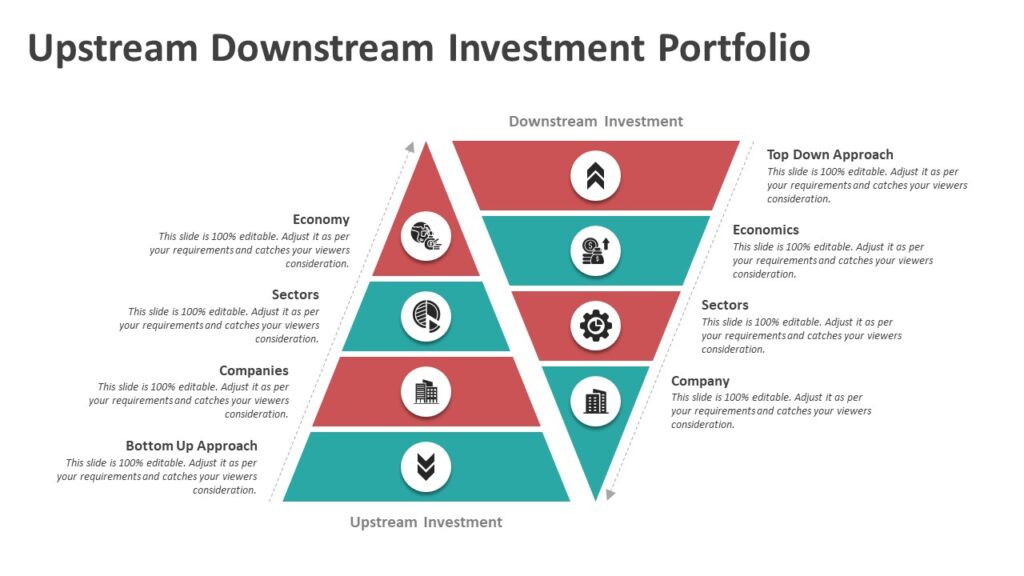
Diversification reduces overall risk by spreading investments across multiple asset classes.
Example Diversified Portfolio
| Asset Type | Allocation |
| Stocks | 40% |
| Bonds | 20% |
| Real Estate | 20% |
| Mutual Funds | 10% |
| Cash Reserves | 10% |
Diversification protects investors from heavy losses in a single market sector.
Step 4: Monitor Investment Performance
Investors should regularly review portfolio performance and market conditions.
Key evaluation metrics include:
- Return on investment (ROI)
- Portfolio growth
- Risk exposure
- Asset allocation balance
Regular reviews help optimize long-term returns.
Investment Risks and Challenges
Every investment carries certain risks. Understanding these risks helps investors make smarter decisions.
1. Market Risk
Economic changes and market fluctuations can reduce asset values.
2. Inflation Risk
Inflation can decrease the purchasing power of investment returns.
3. Liquidity Risk
Some investments may be difficult to convert into cash quickly.
4. Interest Rate Risk
Rising interest rates can negatively impact bonds and borrowing costs.
5. Business Risk
Poor management or operational failures can impact company investments.
6. Political and Regulatory Risk
Government policies and regulations can influence investment performance.
How Businesses Use Investment for Growth
Businesses rely heavily on investments to achieve sustainable growth and competitive advantage.
Common Business Investment Areas
Product Development
Companies invest in research and innovation to create new products and services.
Technology Upgrades
Modern businesses invest in digital transformation, automation, and AI solutions.
Marketing and Branding
Investment in marketing increases customer reach and brand visibility.
Human Resource Development
Businesses invest in employee training and leadership development.
Market Expansion
Organizations invest in entering new geographic markets and customer segments.
Investment Strategies for Businesses
Different business investment strategies help organizations maximize profitability and long-term growth.
Growth Investment Strategy
Businesses focus on aggressive expansion and innovation to achieve rapid growth.
Suitable For
- Startups
- Technology companies
- Emerging businesses
Value Investment Strategy
Organizations invest in undervalued assets or opportunities with future growth potential.
Suitable For
- Long-term investors
- Stable industries
Income Investment Strategy
Focuses on generating steady cash flow through dividends, rental income, or interest earnings.
Suitable For
- Conservative investors
- Retirement planning
Diversified Investment Strategy
Businesses spread investments across industries and markets to reduce risks.
Suitable For
- Large enterprises
- Investment firms
Importance of Investment Research
Investment research is essential before committing capital to any opportunity.
Key Research Areas
Market Analysis
Understanding industry trends and customer demand.
Financial Analysis
Reviewing financial statements, revenue, profits, and cash flow.
Competitor Analysis
Evaluating market competition and positioning.
Risk Assessment
Identifying possible threats and uncertainties.
Future Growth Potential
Analyzing long-term scalability and profitability.
Well-researched investments improve decision-making accuracy and reduce risks.
Emerging Investment Trends
The investment landscape continues evolving with technological advancements and changing consumer behavior.
1. ESG Investing
Environmental, Social, and Governance (ESG) investing focuses on ethical and sustainable investments.
Benefits
- Social responsibility
- Long-term sustainability
- Improved brand reputation
2. Artificial Intelligence in Investing
AI-powered investment platforms help analyze data, automate trading, and improve forecasting accuracy.
Applications
- Robo-advisors
- Predictive analytics
- Automated portfolio management
3. Sustainable Investments
Investors increasingly support green energy, renewable resources, and environmentally responsible businesses.
4. Digital Investment Platforms
Online investment apps and fintech platforms have simplified investing for individuals worldwide.
Advantages
- Easy accessibility
- Lower transaction costs
- Real-time portfolio tracking
Common Investment Mistakes to Avoid
Even experienced investors make mistakes. Avoiding common errors improves long-term success.
Emotional Investing
Making decisions based on fear or greed often leads to losses.
Lack of Diversification
Overinvesting in one asset increases financial risk.
Ignoring Research
Investing without proper analysis can result in poor decisions.
Unrealistic Expectations
High returns often involve higher risks.
Timing the Market
Trying to predict market movements consistently is extremely difficult.
Not Reviewing Investments
Failure to monitor investments may reduce portfolio efficiency.
Investment Metrics Every Investor Should Know
Understanding investment metrics helps evaluate performance and profitability.
Return on Investment (ROI)
Measures the profitability of an investment.
Higher ROI indicates better investment performance.
Compound Interest
Compound growth allows investments to generate earnings on previous earnings.
Risk-Return Relationship
Higher potential returns usually involve higher risks.
Understanding this balance is essential for smart investing decisions.
How to Build a Successful Investment Portfolio
A successful investment portfolio balances risk, return, and long-term goals.
Key Portfolio Building Tips
Set Clear Goals
Define investment objectives before selecting assets.
Diversify Assets
Spread investments across industries and asset classes.
Invest Consistently
Regular investing helps reduce market timing risks.
Stay Long-Term Focused
Long-term strategies often outperform short-term speculation.
Rebalance Periodically
Adjust asset allocation as market conditions change.
Continue Learning
Investment knowledge improves financial decision-making.
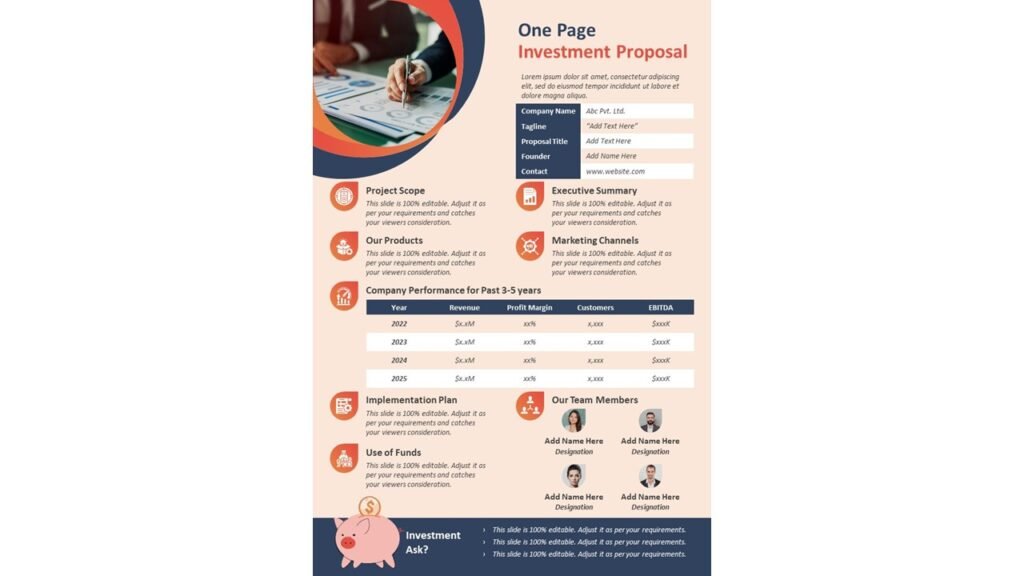
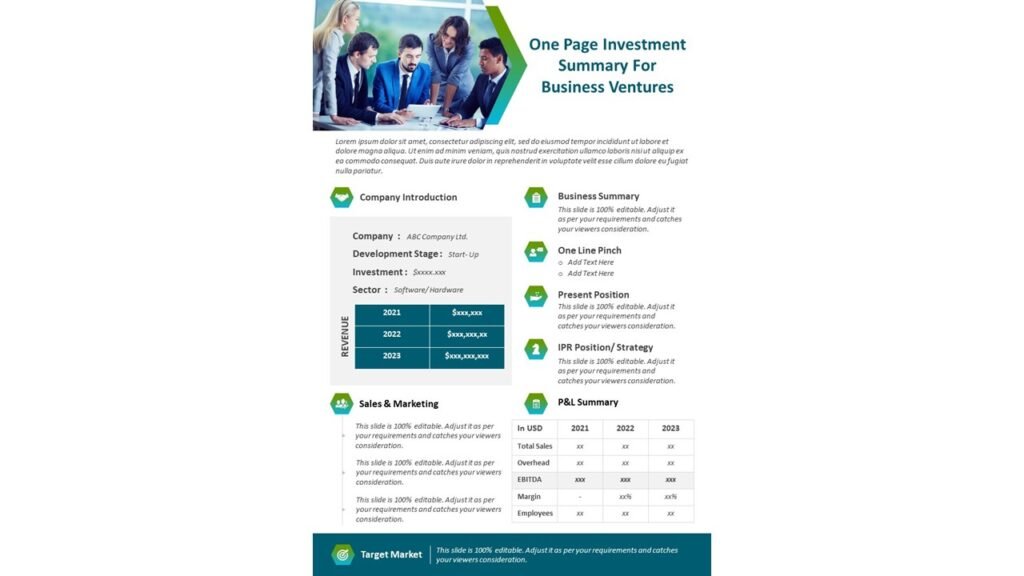
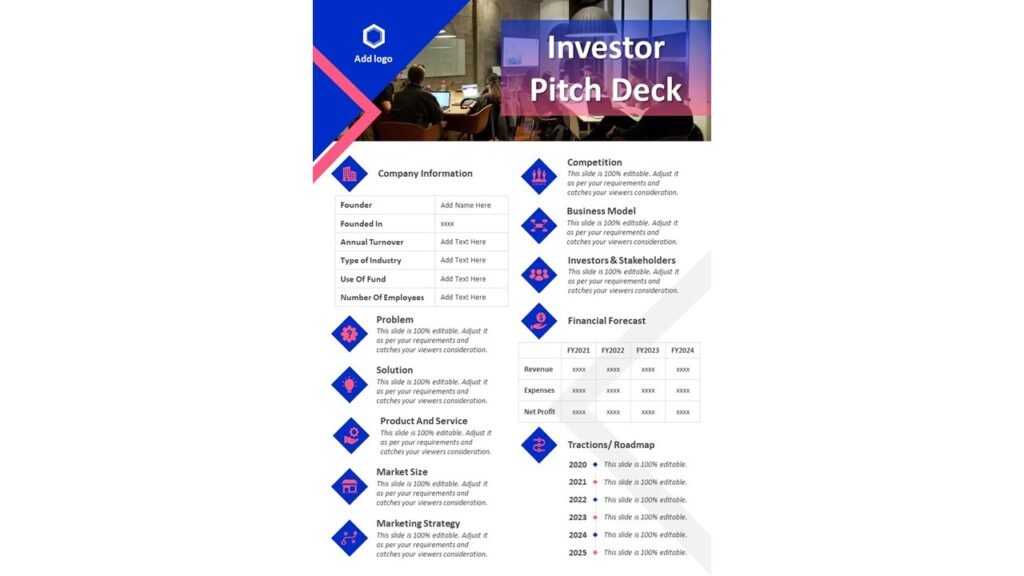
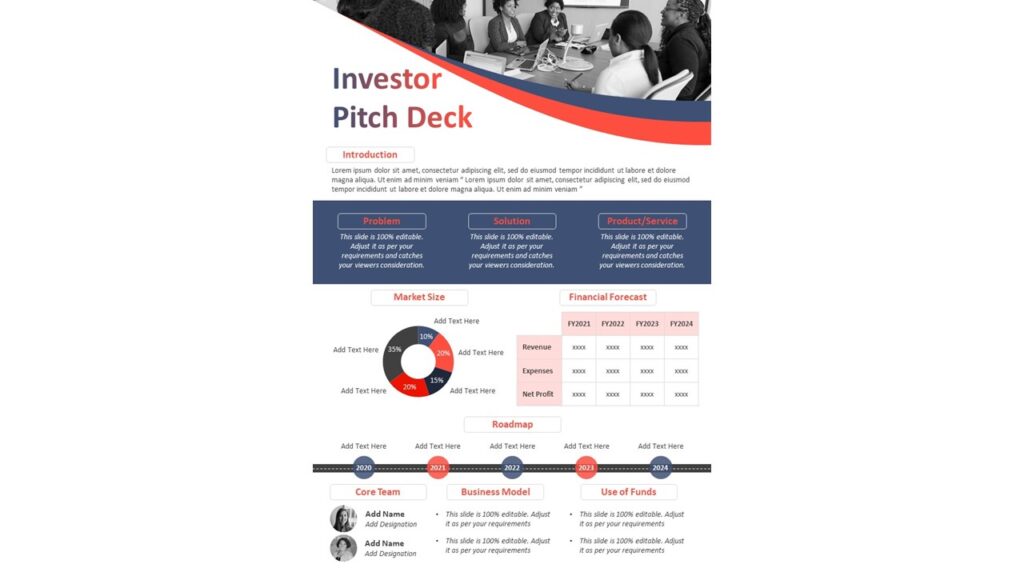
Why Investment Presentations Matter
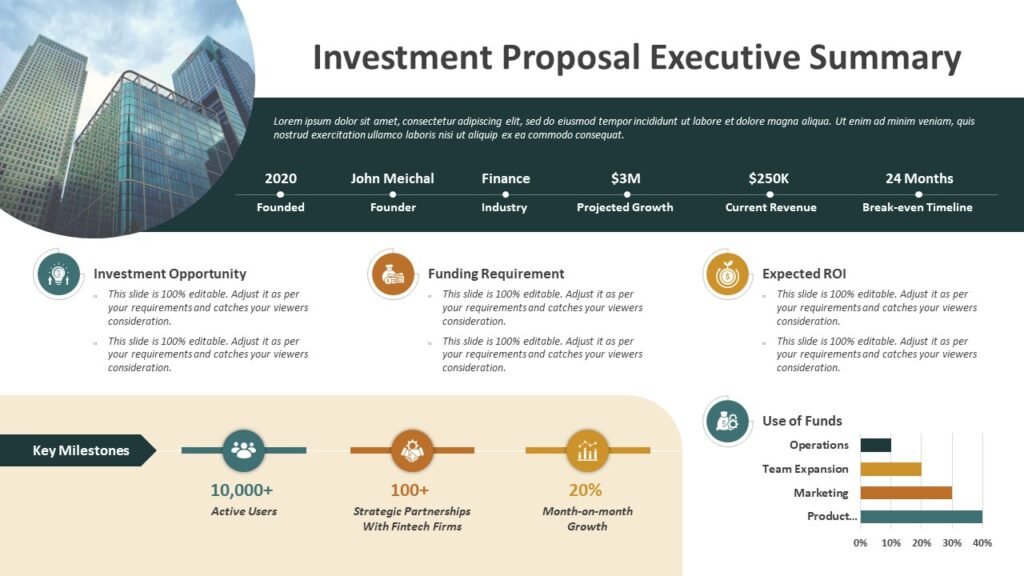
Professional investment presentations help businesses attract investors, secure funding, and communicate strategies effectively.
An investment presentation should clearly explain:
- Business goals
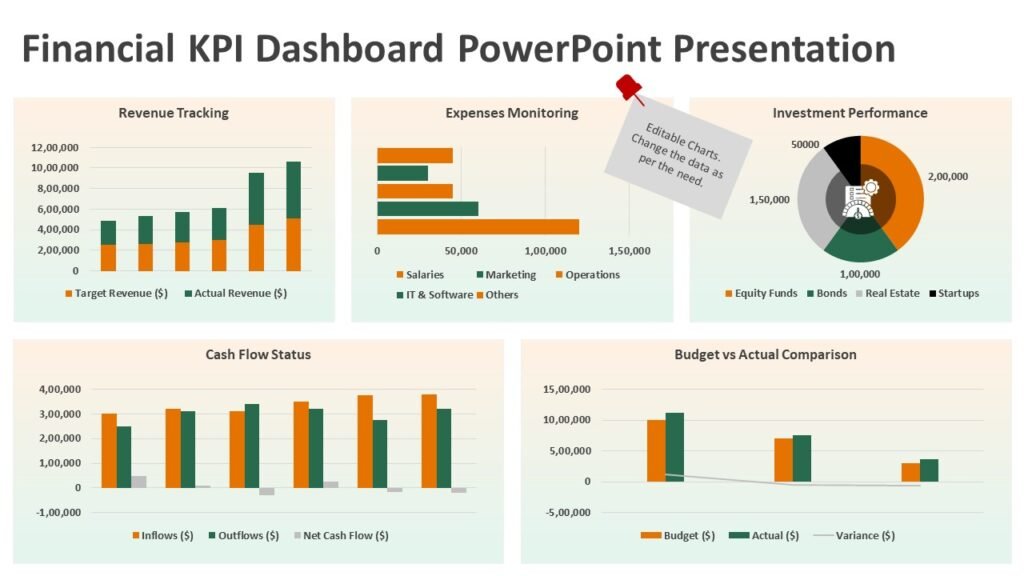
- Financial performance
- Growth opportunities
- Risk management
- Revenue projections
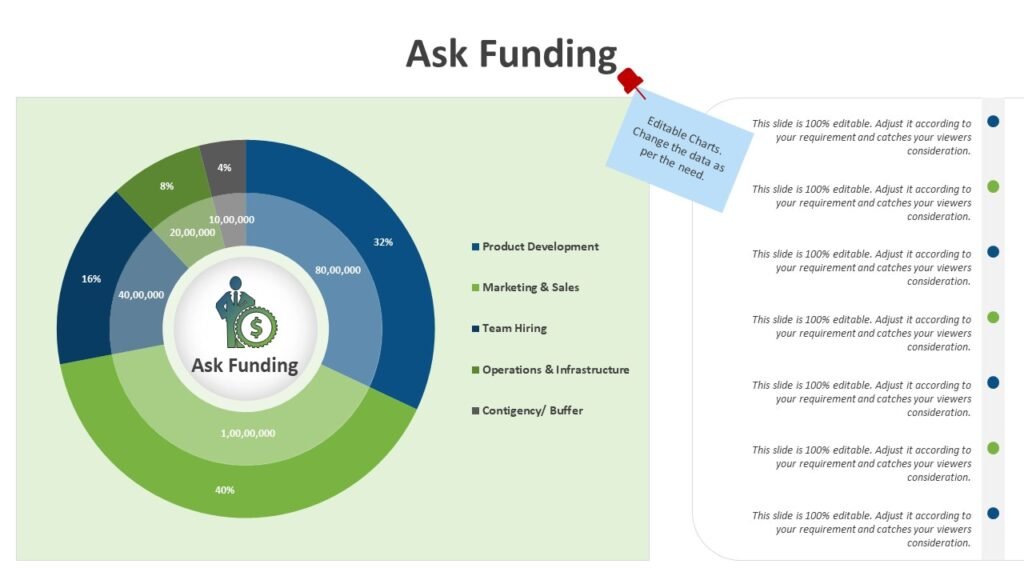
- Funding requirements
A visually compelling presentation improves investor confidence and increases funding opportunities.
Present Your Ideas Professionally with Investment PowerPoint Templates
If you are creating investment proposals, startup funding presentations, business plans, or investor pitch decks, professionally designed presentation slides can significantly improve communication and audience engagement.
Our Investment PowerPoint Templates are fully customizable and designed for:
- Investor pitch decks
- Startup funding presentations
- Business investment proposals
- Financial reports
- Market analysis presentations
- Portfolio strategy reports
- Corporate investment meetings
These PPT templates help businesses save time while delivering visually impactful presentations that impress investors and stakeholders.
Whether you are a startup founder, financial consultant, entrepreneur, or corporate executive, investment presentation templates can help communicate your vision with clarity and professionalism.
Template 01:
Template 02:
Template 03:
Template 04:
Template 05:
Template 06:
Template 07:

Template 08:

Template 09:
Template 10:

Template 11:
Template 12:
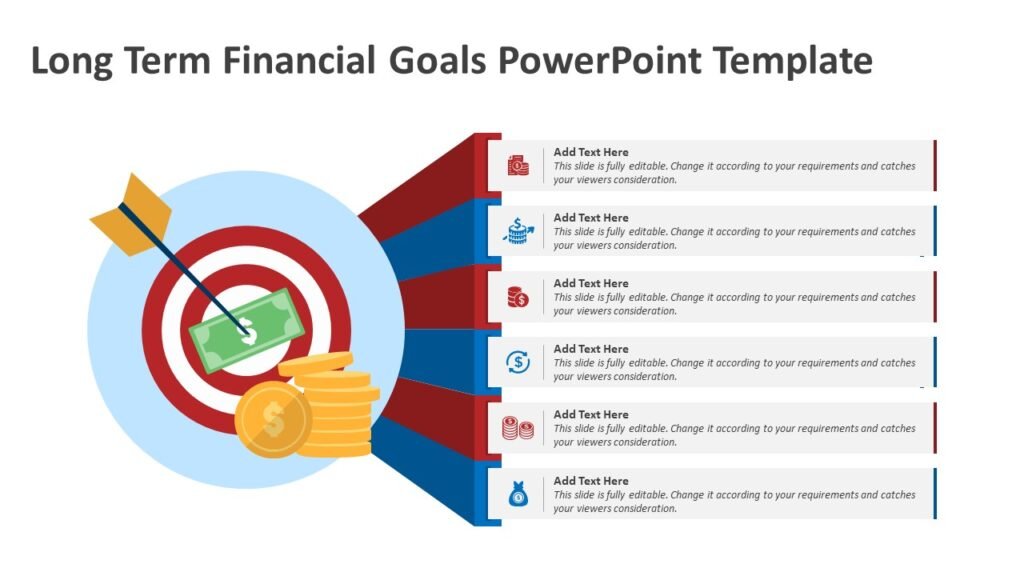
Template 13:

Template 14:
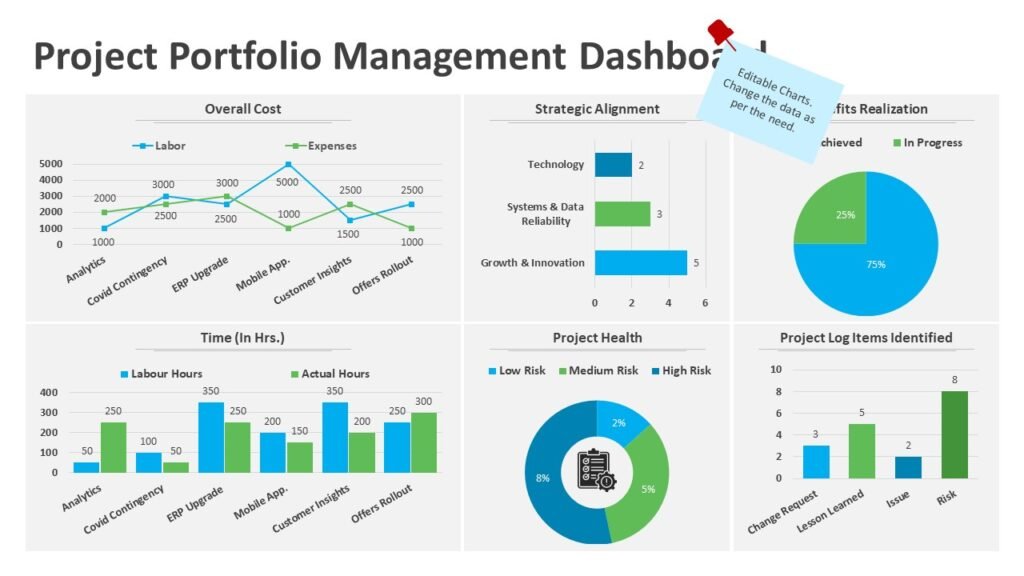
Template 15:
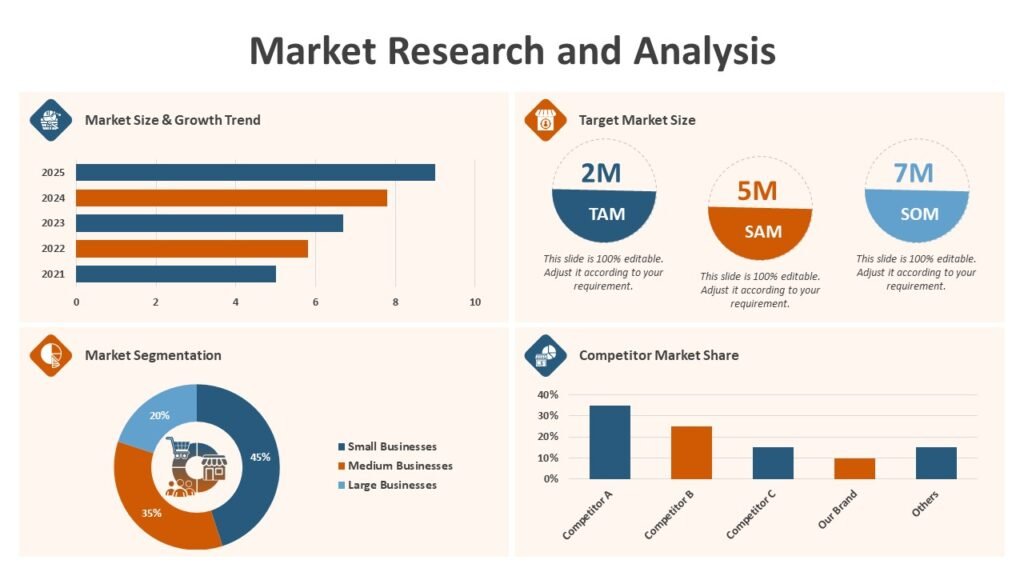
The Future of Investment
The future of investment will continue evolving through technology, automation, sustainability, and globalization.
Key future trends include:
- AI-driven investment analysis
- Sustainable and ESG investing
- Decentralized finance (DeFi)
- Blockchain-based investment systems
- Personalized digital investing platforms
- Data-driven financial decision-making
Investors and businesses that adapt to these trends will gain stronger competitive advantages in the evolving financial landscape.
Conclusion
Investment is more than simply putting money into assets. It is a strategic process that requires planning, research, discipline, and long-term thinking. Whether investing in stocks, real estate, businesses, or emerging technologies, successful investors focus on balancing risks with opportunities.
For businesses, investment fuels innovation, expansion, and sustainable growth. For individuals, it creates financial security and wealth-building opportunities. Understanding investment fundamentals, diversification strategies, and modern market trends is essential for achieving financial success in today’s competitive economy. As the global investment environment continues transforming through digital technologies and sustainable practices, investors who remain informed and adaptable will be better positioned to achieve long-term growth and profitability.
Professional investment presentations also play a crucial role in communicating strategies, attracting stakeholders, and securing funding. Using high-quality Investment PowerPoint Templates can help businesses present their ideas more effectively and create a strong impression in front of investors and decision-makers.
By combining strategic investment planning with professional communication tools, businesses and individuals can unlock greater opportunities for growth, profitability, and long-term success.